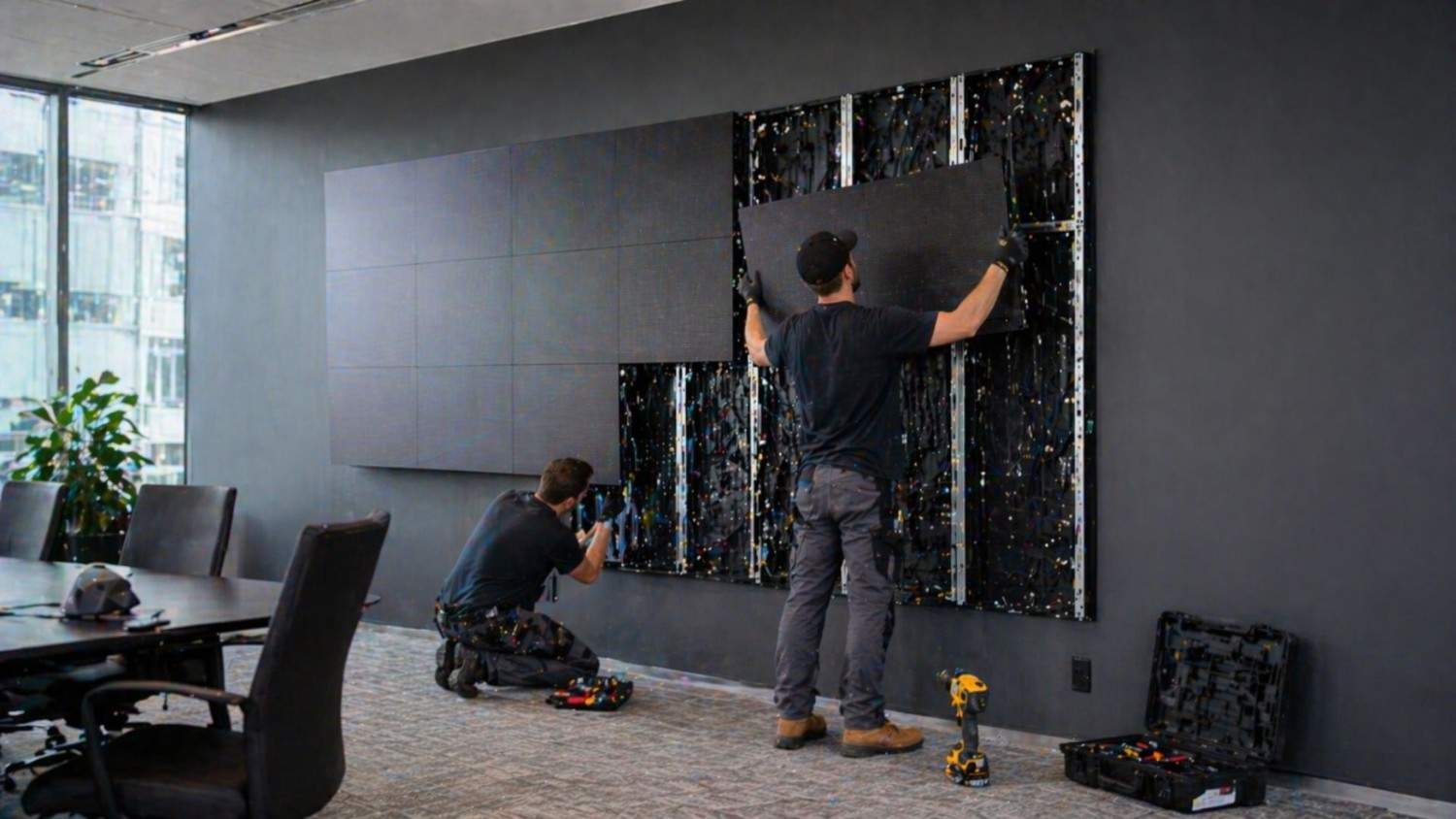
LED displays have become essential for events, advertising, and corporate communication. However, one key decision businesses face is whether to rent or purchase an LED display.
At first glance, renting seems cost-effective while buying appears to be a long-term investment. But the right choice depends on multiple factors such as usage frequency, budget, and operational capabilities.
This guide breaks down both options to help you make the best decision.
Understanding the Two Options
LED Display Rental
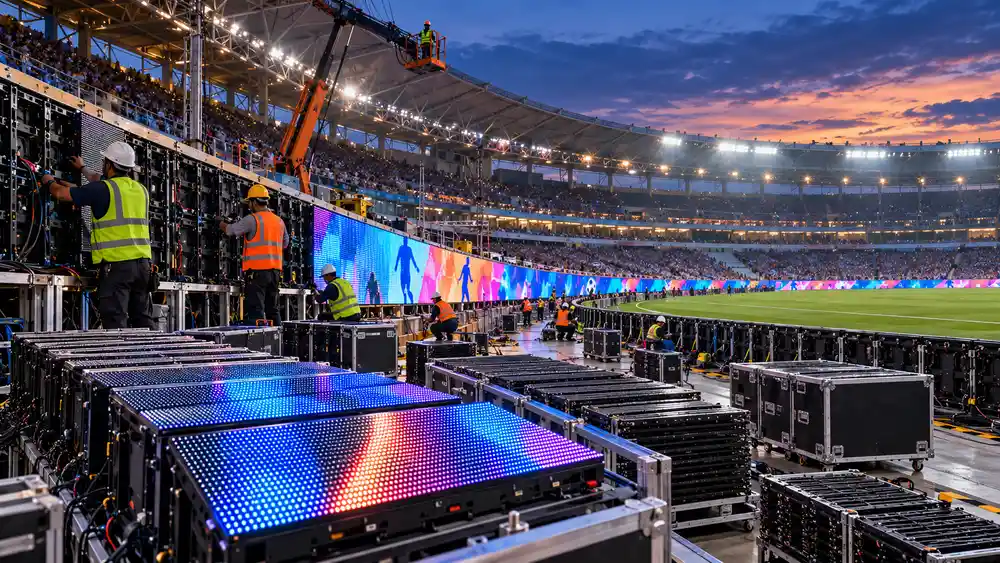
Renting gives you temporary access to LED screens for a specific duration, typically for events, campaigns, or short-term use. Rental providers usually include setup, maintenance, and technical support.
LED Display Purchase
Buying an LED display means owning the system permanently. It involves a higher upfront investment but gives you full control over usage, customization, and long-term ROI.
Cost Comparison: Rental vs Purchase
The biggest deciding factor is cost, but it is important to look beyond just the initial price.
Rental Costs
- Typically charged per day or per event
- Can range from ₹15,000 to ₹50,000+ per day, depending on size and usage
- Includes setup, transport, and support
Purchase Costs
- High upfront investment (can go into lakhs or more, depending on size)
- Additional costs:
- Installation
- Maintenance
- Storage
- Repairs
Key Insight:
Renting is cheaper in the short term, but repeated rentals can become expensive over time.
Frequency of Use: The Most Important Factor
The decision between renting and purchasing an LED screen primarily hinges on your frequency of use. For organizations that only require these displays occasionally, such as for one-off events, trade show exhibitions, or specific seasonal campaigns, renting serves as the more economical choice, allowing for high-impact visuals without a long-term capital commitment.
However, if the screens are intended for regular, ongoing use in environments such as retail stores, corporate offices, or permanent billboards, purchasing becomes the superior strategy. In fact, businesses that use LED technology frequently will eventually reach a break-even point where the total cost of ownership is significantly lower than repeated rental fees.
Flexibility vs Control
Choosing between renting and purchasing an LED screen involves a trade-off between flexibility and control. Renting is ideal for those with changing requirements, as it provides access to the latest technology and easy upgrades without a long-term commitment.
Conversely, purchasing is better when consistency matters, offering full control over usage and the ability to create custom configurations that are always available. Ultimately, if your needs fluctuate, renting wins; if you require stability and total oversight, buying is the superior choice.
Maintenance and Technical Responsibility
When it comes to renting, maintenance is handled entirely by the provider, with a technical team usually included as a part of the package. This results in minimal operational stress, allowing you to focus on your core business without worrying about technical disruptions.
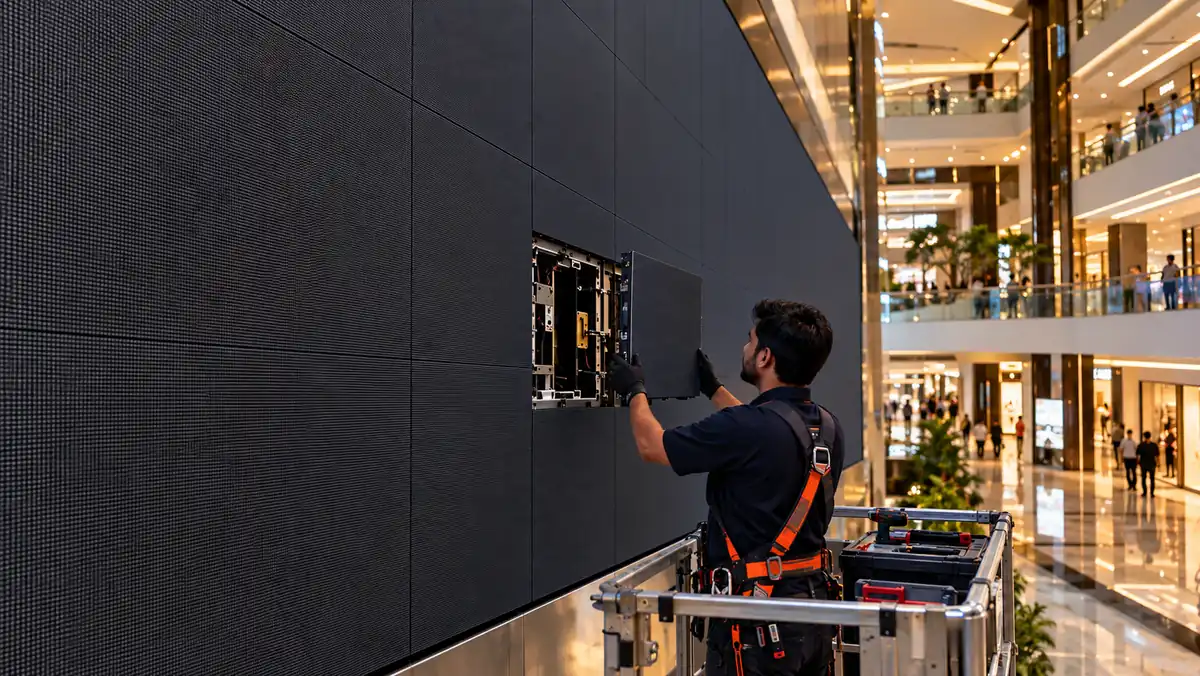
On the other hand, purchasing an LED display means you take on full responsibility for repairs, calibration, and spare parts, with annual maintenance costs also applying. This can add considerable overhead in both time and resources.
Overall, renting reduces operational burden, making it an attractive option for those who prefer a hassle-free experience.
Storage and Logistics
This is an often-overlooked but critical aspect of owning or renting an LED display. With rental, there is no storage required on your end, and transportation is fully handled by the vendor, making the entire process seamless and stress-free.
With a purchase, however, you will need to arrange adequate storage space, ensure safe handling, and set up transportation logistics whenever the display needs to be moved. These responsibilities can quietly add up, as storage alone can add high long-term costs, making it an important factor when evaluating the true cost of ownership.
Technology Obsolescence
LED technology evolves rapidly.
- Rental → Always access the latest models
- Purchase → Risk of outdated technology in a few years
Renting keeps you future-ready without reinvestment.
ROI Perspective
From a rental standpoint, it is best suited for one-time events, campaign-based usage, or testing LED solutions before committing to a purchase. Studies suggest that renting can be 40–60% cheaper for one-time use, making it a financially smart choice for short-term needs.
From a purchase standpoint, it delivers the most value for continuous use, generating advertising revenue or permanent corporate installations. Over time, ownership eliminates recurring rental costs and delivers better ROI, making it the more economical choice for businesses with long-term display requirements.
Use Case-Based Recommendation
When You Should Rent
- Events (weddings, concerts, exhibitions)
- Short-term marketing campaigns
- Trial before investment
- Limited budget
When You Should Buy
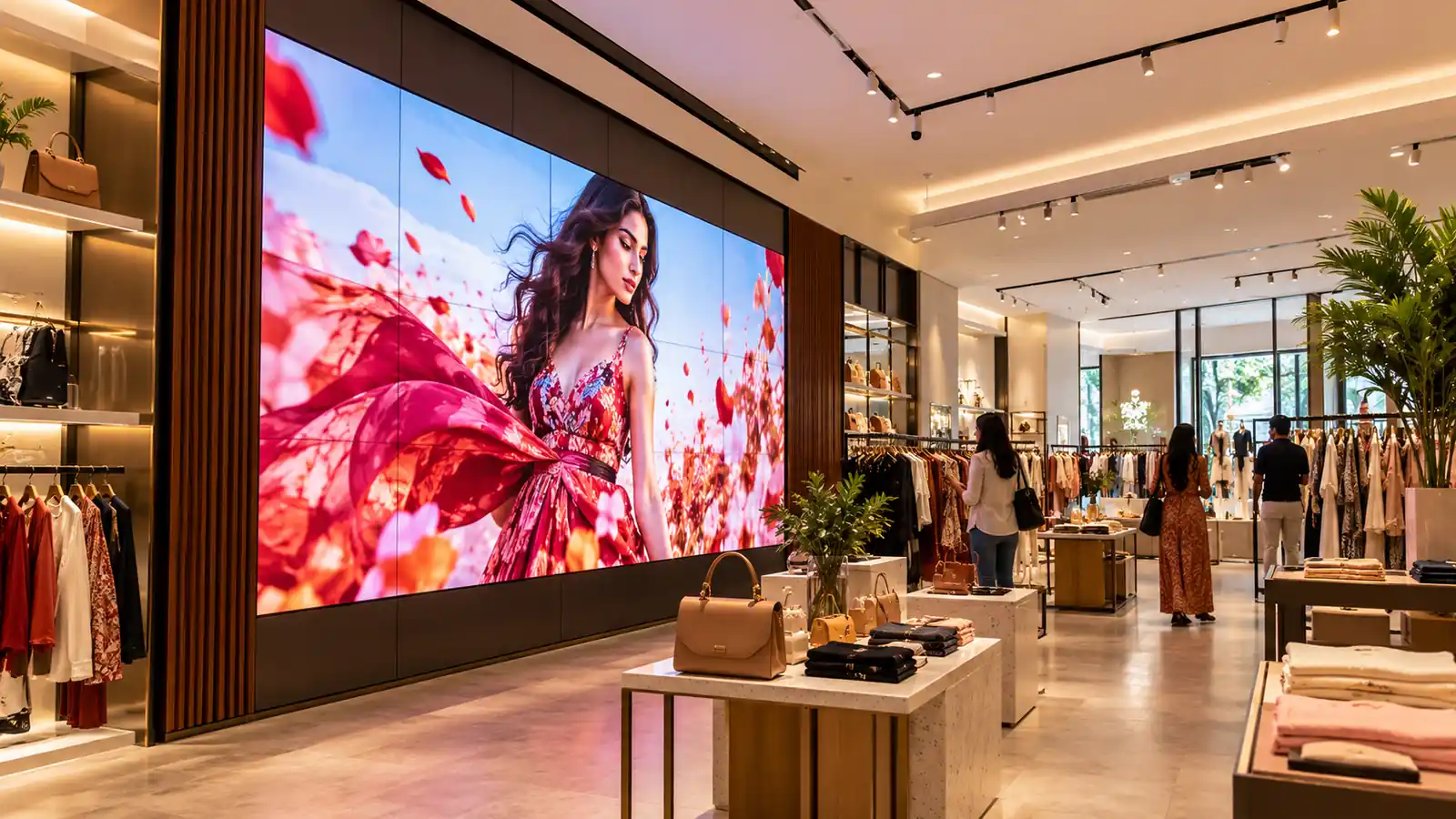
- Retail stores & showrooms
- Corporate offices
- Digital billboards
- Control rooms & command centers
Hybrid Approach: The Smart Strategy
Many businesses now follow a hybrid model, where they buy displays for regular, day-to-day use while renting additional units for large or occasional needs. This approach strikes the perfect balance between cost, flexibility, and scalability, allowing businesses to maintain control over their core operations without overcommitting resources for sporadic needs.
Quick Comparison Table
| Factor | Rental | Purchase |
|---|---|---|
| Upfront Cost | Low | High |
| Long-Term Cost | High (repeated use) | Lower over time |
| Maintenance | Included | Self-managed |
| Flexibility | High | Limited |
| Technology | Always updated | Can become outdated |
| Best For | Short-term use | Long-term use |
Conclusion
Deciding whether to rent or purchase an LED display isn’t a one-size-fits-all choice. Instead, the right move depends entirely on how you plan to use the technology.
If you are looking for flexibility, low upfront costs, and short-term usage, then renting is your best path forward. However, you should opt to purchase if your project requires long-term usage, total control, and a better return on investment over time.
Ultimately, the best decision for your brand hinges on your specific business goals, your usage frequency, and your available budget. When used strategically, both options can deliver excellent value and help you maximize the impact of your visual communication.