
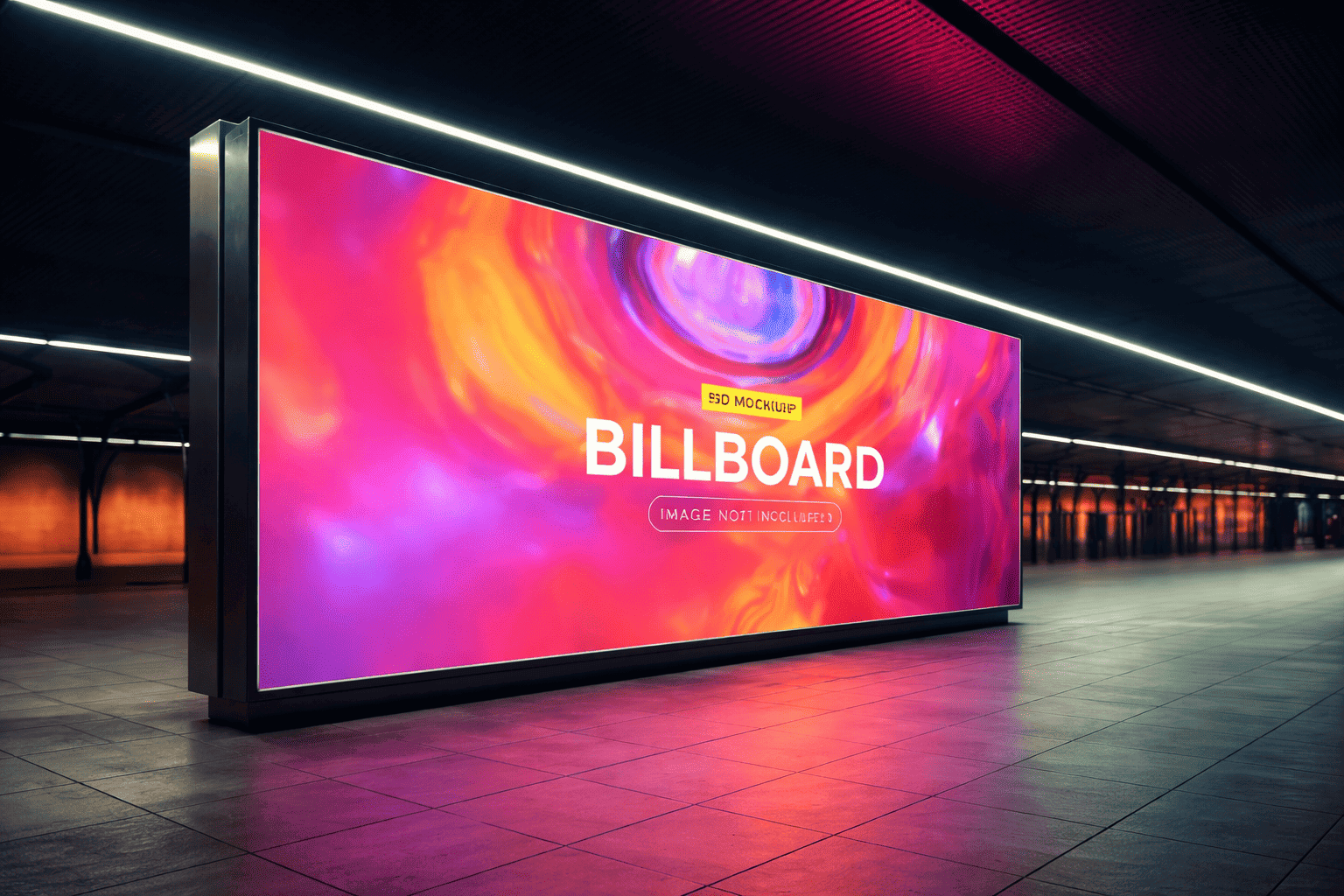
Outdoor advertising has always been a powerful way to capture attention, but traditional billboards are rapidly being replaced by smarter, more dynamic solutions. Digital billboard advertising using LED displays is transforming how brands connect with audiences while delivering measurable returns.
If you are evaluating whether to invest in LED digital billboards, understanding the return on investment (ROI) is crucial. This blog explores how LED displays outperform traditional billboards and why they are becoming the preferred choice for modern advertisers.
What is Digital Billboard Advertising?
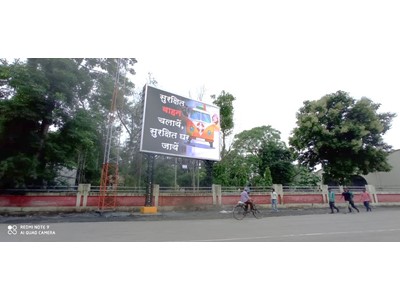
Digital billboard advertising uses high-resolution LED screens to display dynamic, changeable content in high-traffic locations. Unlike static billboards, these displays allow multiple advertisements to run in rotation, maximizing visibility and revenue potential.
LED billboards can be updated in real time, making them ideal for time-sensitive campaigns, promotions, and brand storytelling.
Why ROI Matters in Outdoor Advertising
ROI in billboard advertising is not just about direct sales. It includes brand visibility, engagement, recall, and long-term customer acquisition.
With increasing marketing budgets shifting toward performance-driven strategies, businesses need advertising solutions that offer:
- Measurable results
- Flexible content management
- Higher engagement rates
- Cost efficiency over time
LED digital billboards check all these boxes.
Key Factors That Drive ROI with LED Displays
1. Multiple Ads, Higher Revenue
Unlike traditional billboards that display a single ad for a fixed duration, LED digital billboards can showcase multiple ads in a loop. This means:
- More advertisers per screen
- Higher revenue generation
- Better utilization of ad space
For media owners, this significantly improves ROI per location.
2. Dynamic and Eye-Catching Content
LED displays support motion graphics, videos, and animations that instantly capture attention. Compared to static images, dynamic content increases viewer engagement and recall.
Studies consistently show that moving visuals are more likely to grab attention and influence purchasing decisions. This leads to higher brand impact and better campaign performance.
3. Real-Time Content Updates
One of the biggest advantages of digital billboards is flexibility. Advertisers can:
- Update campaigns instantly
- Run time-specific ads (morning, evening, weekends)
- Adapt messaging based on events or weather
This level of control ensures that your ads remain relevant, increasing their effectiveness and ROI.
4. Better Targeting and Scheduling
LED digital billboards allow dayparting, meaning ads can be scheduled based on audience behavior.
For example:
- Restaurants can promote breakfast offers in the morning
- Retail brands can run sales ads in the evening
- Event promotions can intensify closer to dates
This precision targeting ensures that the right message reaches the right audience at the right time.
5. Long-Term Cost Efficiency
While the initial investment in LED billboard infrastructure may be higher than traditional billboards, the long-term savings are substantial.
There are no recurring printing costs, no installation delays, and no physical replacements. Over time, this reduces operational expenses and increases profit margins.
6. Enhanced Visibility and Brightness
LED displays are designed for high brightness and clarity, making them visible even in direct sunlight or at night.
This ensures:
- 24/7 visibility
- Consistent brand exposure
- Better audience reach
Higher visibility directly translates to improved campaign effectiveness.
7. Data-Driven Performance Insights
Modern LED billboard systems can integrate with analytics tools to measure performance metrics such as impressions and engagement.
This allows advertisers to:
- Track campaign effectiveness
- Optimize ad creatives
- Improve future ROI
Data-driven advertising ensures smarter decision-making and better outcomes.
Comparing ROI: Traditional vs Digital Billboards
| Factor | Traditional Billboard | LED Digital Billboard |
| Content | Static | Dynamic & Video |
| Flexibility | Low | High |
| Revenue Potential | Single advertiser | Multiple advertisers |
| Update Speed | Slow | Instant |
| Engagement | Moderate | High |
| ROI | Limited | Scalable |
The comparison clearly shows why businesses are shifting toward digital solutions.
Industries Benefiting the Most
LED digital billboard advertising delivers strong ROI across various industries, including:
- Retail and shopping malls
- Real estate and infrastructure
- Hospitality and restaurants
- Automotive brands
- Government campaigns
Any business that relies on visibility and high footfall can benefit significantly.
How to Maximize ROI from LED Billboards
To get the best results, businesses should:
- Use high-quality visuals and short messaging
- Focus on clear call-to-actions
- Schedule ads strategically
- Regularly update creatives
- Analyze performance data
A well-planned campaign can dramatically increase returns.
Conclusion
Digital billboard advertising with LED displays is not just a trend but a strategic investment for businesses looking to maximize visibility and returns.
With dynamic content, flexible scheduling, and higher engagement, LED billboards offer a superior ROI compared to traditional advertising methods. As technology continues to evolve, businesses that adopt LED display advertising early will gain a strong competitive advantage.
If your goal is to create impactful, high-performing outdoor campaigns, LED digital billboards are the future.