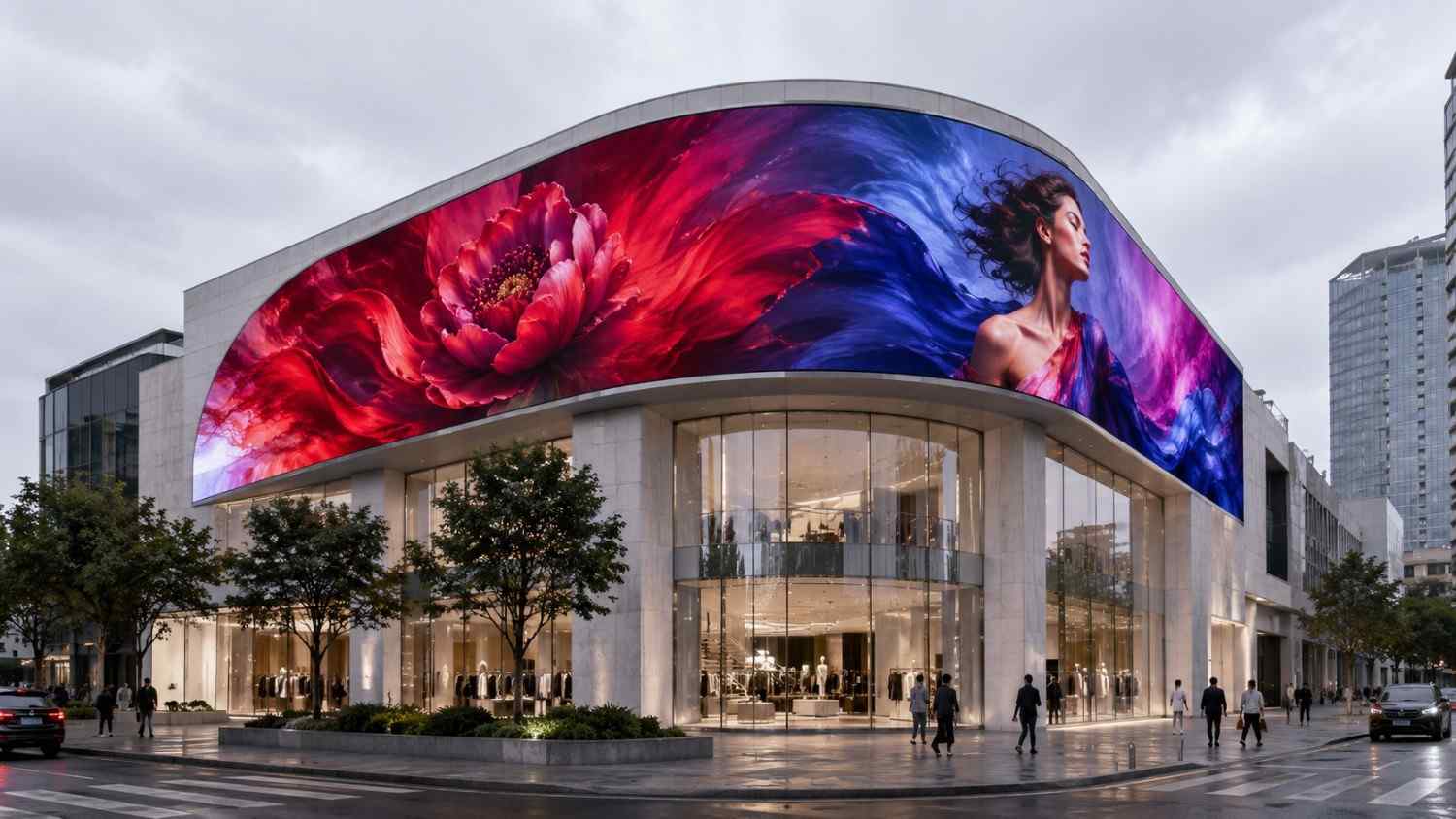

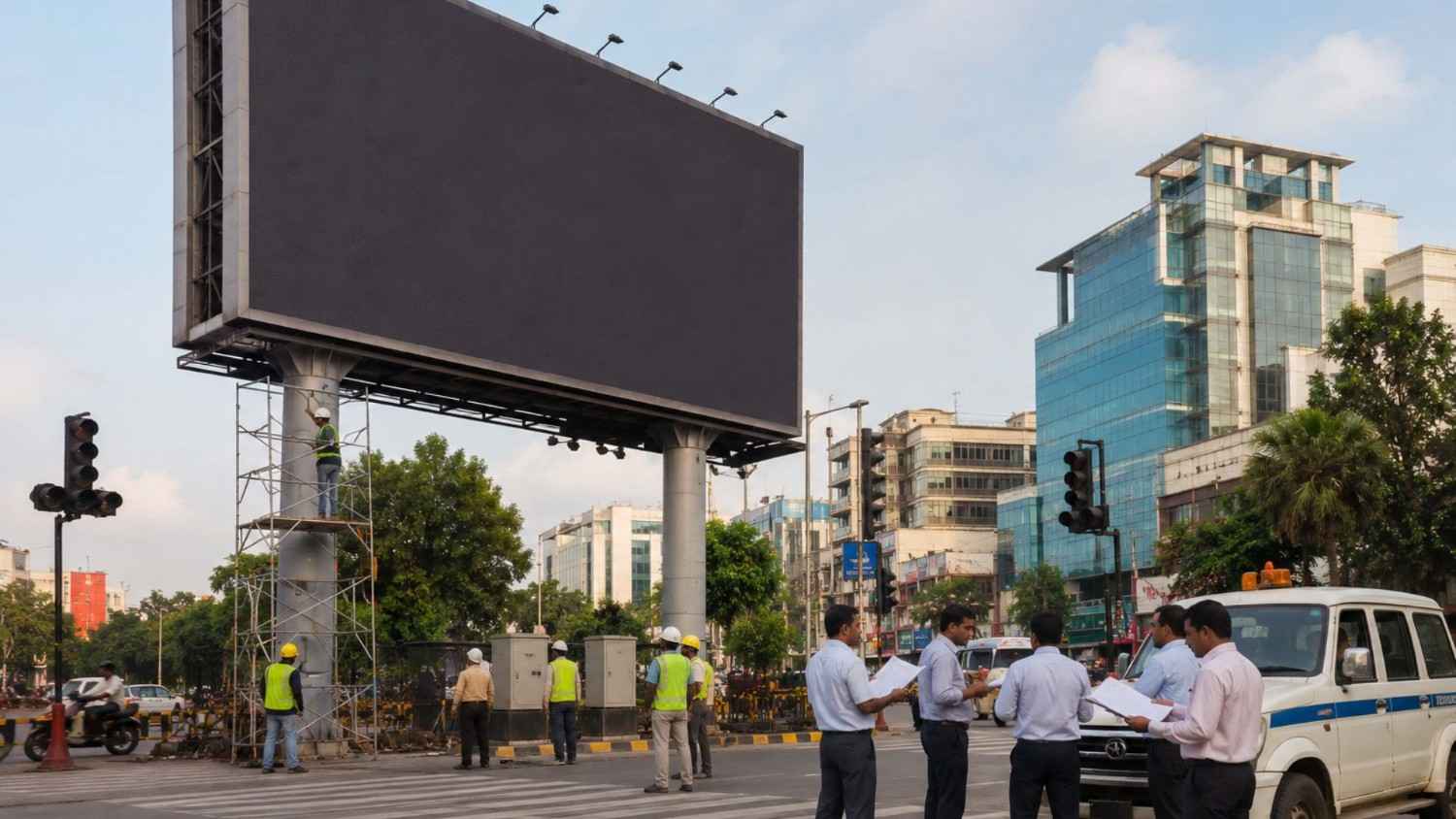
LED billboards have rapidly transformed India’s outdoor advertising industry. From highways and metro stations to shopping malls and commercial hubs, digital LED displays are becoming a preferred advertising medium for brands looking to maximize visibility and audience engagement.
However, installing and operating LED billboards in India is not as simple as choosing a location and putting up a screen. Since these displays impact traffic safety, urban infrastructure, public aesthetics, and electricity usage, businesses must comply with various government regulations before installation.
Understanding these rules is essential for advertisers, media agencies, property owners, and LED display companies. Failure to comply can result in fines, removal notices, license cancellations, or even legal action.
This blog explains the major government regulations, approvals, and compliance requirements for LED billboards in India.
Why Are LED Billboard Regulations Important?
LED billboards are large illuminated advertising structures installed in highly visible public locations such as highways, commercial zones, and urban intersections. Unlike traditional printed hoardings, digital LED billboards use bright display technology, animated visuals, and video-based content that can influence drivers, pedestrians, and surrounding public infrastructure.
To maintain safety and proper urban planning, government regulations are designed to ensure public safety, clear traffic visibility, structural stability, controlled brightness levels, and organized city aesthetics. In recent years, authorities across India have implemented stricter billboard compliance measures following several incidents involving illegal hoardings, unsafe installations, and structural failures.
Key Authorities That Regulate LED Billboards in India
Municipal Corporations
The primary authority responsible for billboard permissions is the local municipal corporation.
Different cities have different governing bodies, such as:
- BMC in Mumbai
- MCD in Delhi
- BBMP in Bengaluru
- GHMC in Hyderabad
These authorities regulate:
- Billboard size
- Placement location
- Licensing fees
- Structural permissions
- Advertising policies
Without municipal approval, no LED billboard can legally operate.
Traffic Police Department
Traffic police departments play a major role in approving LED billboards located near roads, highways, junctions, or intersections. Their primary concern is road safety. Authorities check whether the billboard distracts drivers, obstructs traffic signs, impacts signal visibility, or creates glare issues at night. Digital displays with flashing animations or excessive brightness are often restricted in high-traffic zones.
Electricity Department
Since LED billboards consume substantial electrical power, businesses may also require electrical approvals. Authorities verify whether the installation meets safe electrical wiring standards, has adequate power load capacity, complies with electrical infrastructure requirements, and adheres to overall safety standards. Improper electrical setup can lead to fire hazards and operational risks.
Important Permissions Required for LED Billboards
Municipal Advertisement License
This is the most important approval required for outdoor LED advertising.
The municipal corporation evaluates:
- Billboard dimensions
- Installation location
- Advertising type
- Structural design
- Visibility impact
Businesses are usually required to pay annual licensing or advertisement fees to maintain approval.
Structural Stability Certificate
LED billboards are constantly exposed to harsh environmental conditions such as heavy wind pressure, rain, extreme heat, and changing weather. Due to these risks, government authorities require a structural stability certificate issued by a certified structural engineer before approving installations.
This certificate verifies that the billboard structure is safe, capable of handling wind resistance, meets required load-bearing standards, and follows approved engineering guidelines. In recent years, structural safety inspections for LED billboards have become much stricter in India following multiple incidents involving billboard collapses and unsafe outdoor advertising structures.
Fire Safety Clearance
Large LED installations in malls, commercial spaces, and public areas may require approval from the fire department. Authorities inspect whether the installation incorporates proper electrical safety systems, uses fire-resistant materials, ensures emergency accessibility, and maintains adequate heat management systems.
This is especially important for indoor LED video walls and large digital signage networks.
Brightness and Display Content Regulations
One of the biggest concerns with digital LED billboards is excessive brightness.
High luminance levels can create:
- Driver distraction
- Visual discomfort
- Traffic safety issues
- Light pollution
Because of this, several municipal bodies regulate:
- Maximum brightness levels
- Flashing content
- Animation frequency
- Video transition speed
Some cities prohibit highly distracting effects such as rapid flashing visuals or continuously changing advertisements near roads.
Businesses must ensure their content remains visually engaging without violating public safety guidelines.
Restrictions on Billboard Locations
LED billboards cannot be installed in every location, as government authorities impose restrictions in areas where public safety, urban aesthetics, or sensitive infrastructure may be affected. Installations are often restricted near airports, heritage sites, government buildings, residential zones, religious places, and traffic-heavy intersections to prevent visual obstruction and safety concerns.
In addition, several municipal policies prohibit the installation of billboards on footpaths, building terraces, and specific highway zones. These location-based regulations differ significantly across cities and states, making it important for businesses to verify local advertising policies before planning any LED billboard installation.
Advertisement Content Guidelines
Apart from structural and safety approvals, advertisers must also follow advertising content regulations while operating LED billboards. Outdoor advertisements are not allowed to display misleading claims, offensive visuals, illegal promotions, or restricted product advertising in prohibited areas.
Most advertising content in India follows the guidelines established by the Advertising Standards Council of India (ASCI), which promotes responsible and ethical advertising practices. Any advertisement that violates public decency, consumer protection laws, or government advertising policies may be removed immediately by the concerned authorities.
State-Specific Regulations in India
LED billboard regulations are not uniform across India.
Every state and city has its own policies regarding:
- Billboard dimensions
- Tax structures
- Permit duration
- Safety compliance
- Advertisement fees
For example:
- Mumbai has stricter terrace billboard restrictions
- Bengaluru regulates digital display density
- Delhi closely monitors the traffic visibility impact
Businesses planning multi-city advertising campaigns must understand local regulations individually.
Penalties for Non-Compliance
Unauthorized or non-compliant LED billboards can result in serious legal and financial consequences for businesses and advertisers. Authorities across India have strengthened enforcement measures against illegal hoardings and unsafe advertising structures in recent years.
Common penalties for non-compliance include heavy fines, cancellation of advertising licenses, removal of billboard structures, electricity disconnection, and legal notices issued by municipal authorities. In situations where a billboard is considered structurally unsafe or poses a public safety risk, authorities may remove the installation immediately without prior notice.
Best Practices for Businesses Installing LED Billboards
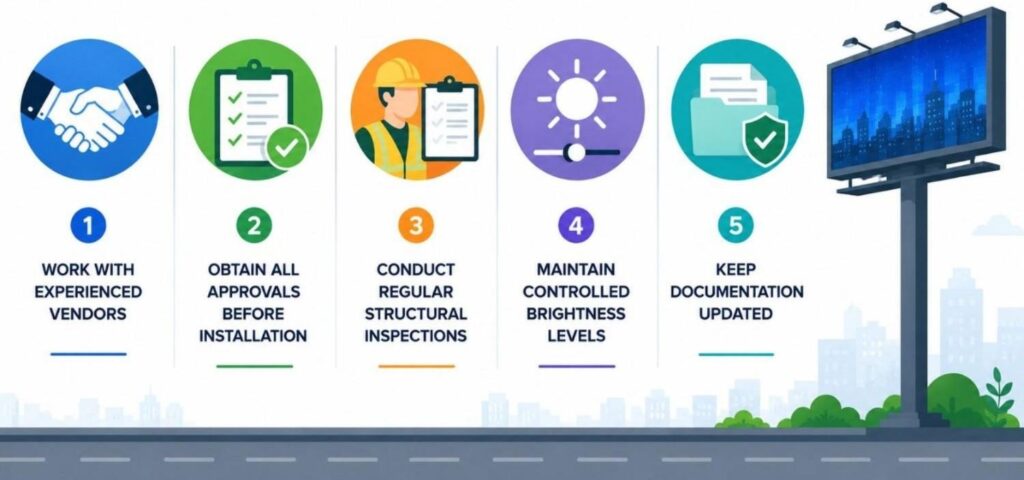
To avoid legal complications, businesses should follow a professional compliance process.
Recommended best practices include:
The Future of LED Billboard Regulations in India
As digital outdoor advertising continues to expand across India, cities are gradually adopting stricter and more technology-driven regulatory systems for LED billboards. Government authorities are focusing on improving monitoring, compliance, and public safety through smarter regulation methods.
Future developments in the industry may include smart digital permit systems, AI-based monitoring of brightness levels, real-time compliance tracking, and sustainable advertising policies aimed at reducing environmental impact. Authorities are increasingly working toward balancing technological innovation with urban safety, traffic management, and responsible city planning.
Conclusion
LED billboards are reshaping the future of outdoor advertising in India, offering dynamic visuals, real-time content management, and high audience engagement. However, businesses must carefully follow government regulations before installing digital displays.
From municipal licenses and structural safety certificates to traffic approvals and brightness regulations, compliance plays a critical role in ensuring safe and legal operations.
By understanding these regulations and working with experienced professionals, businesses can successfully leverage LED billboard advertising while avoiding legal and operational risks.