
When choosing an LED video wall, one of the most important technical specifications to understand is pixel pitch. It directly affects image clarity, viewing distance, display quality, and overall cost.
Businesses investing in LED displays for retail stores, corporate offices, malls, control rooms, or outdoor advertising often focus on screen size and brightness, but pixel pitch is equally important. Choosing the wrong pixel pitch can lead to poor image quality or unnecessary spending.
This guide explains what pixel pitch means, how it impacts LED display performance, and how to select the right option for different environments.
What is Pixel Pitch in LED Displays?
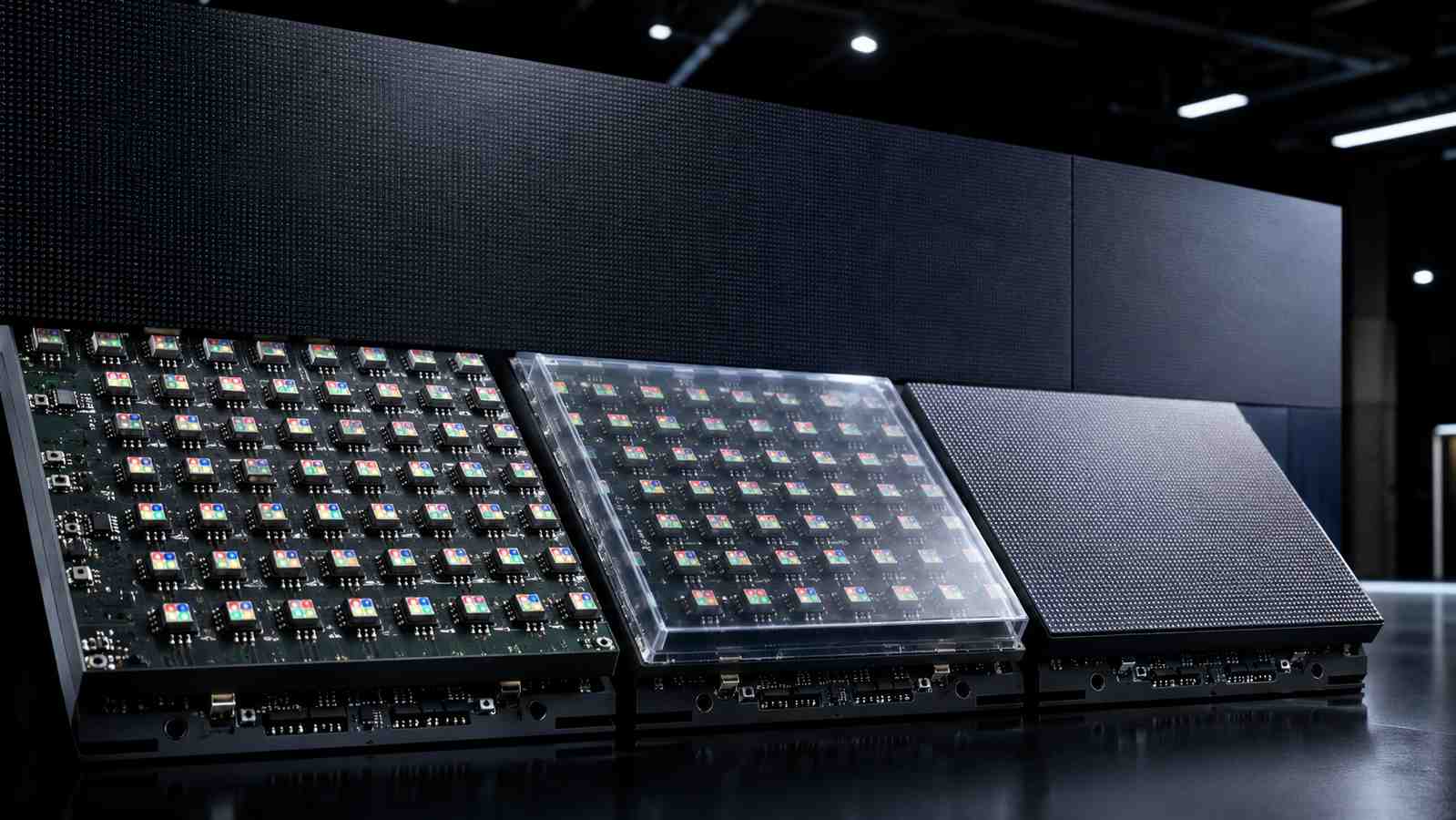
Pixel pitch refers to the distance between the center of one LED pixel and the center of the next pixel. It is measured in millimeters.
For example:
- P1.5 means the distance between pixels is 1.5 mm
- P4 means the distance is 4 mm
- P10 means the distance is 10 mm
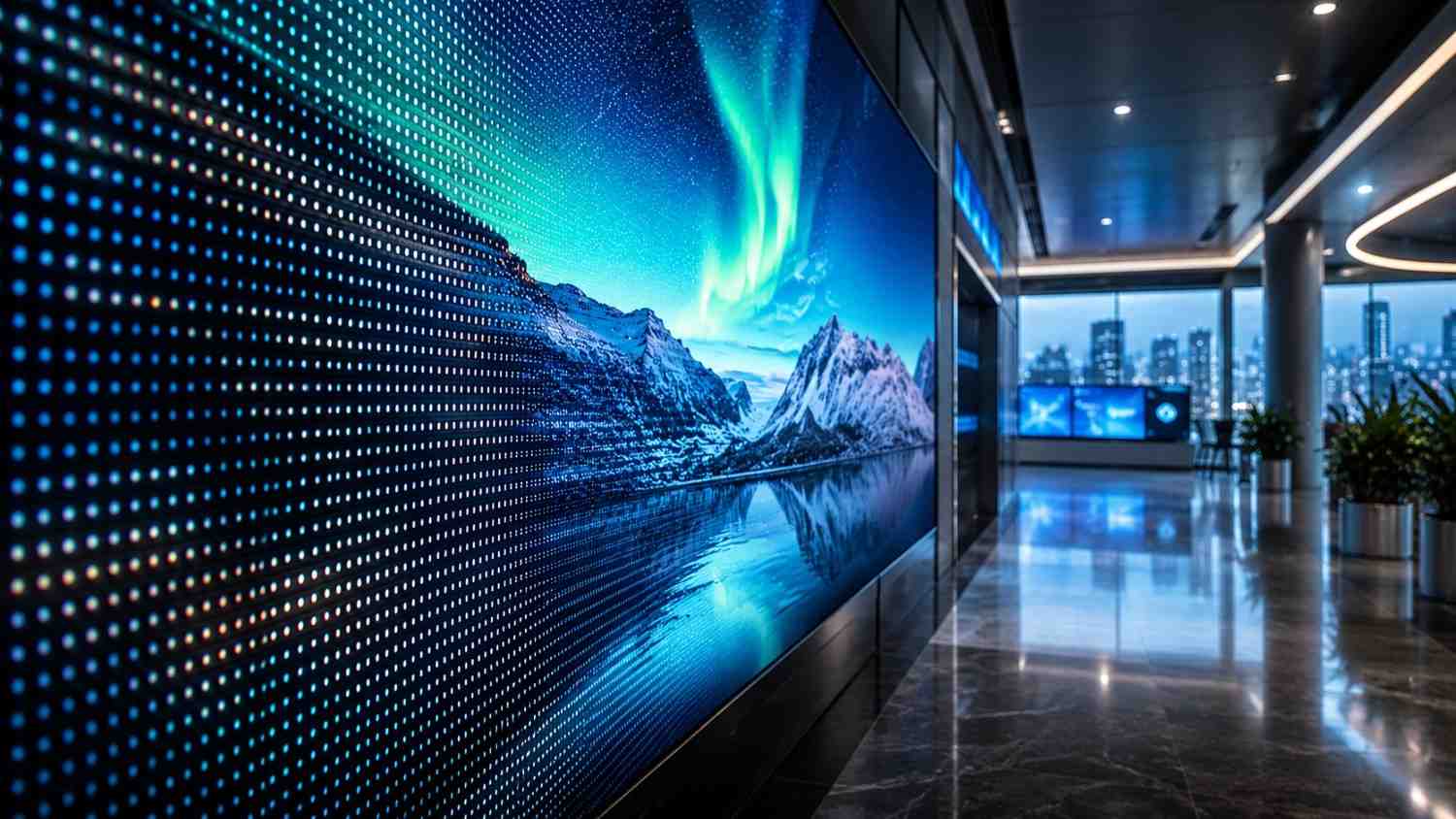
Smaller pixel pitch means pixels are packed more closely together, creating sharper and more detailed visuals. Larger pixel pitch results in lower image resolution but is suitable for long-distance viewing.
In simple terms, the smaller the pixel pitch, the better the image quality when viewed from close distances.
Why Pixel Pitch Matters?
Pixel pitch plays a major role in determining how clear and smooth content appears on an LED screen.
A display with very large pixel spacing may look pixelated when viewed up close. On the other hand, a display with extremely small pixel pitch may increase costs unnecessarily if the audience views the screen from far away.
Choosing the right pixel pitch ensures:
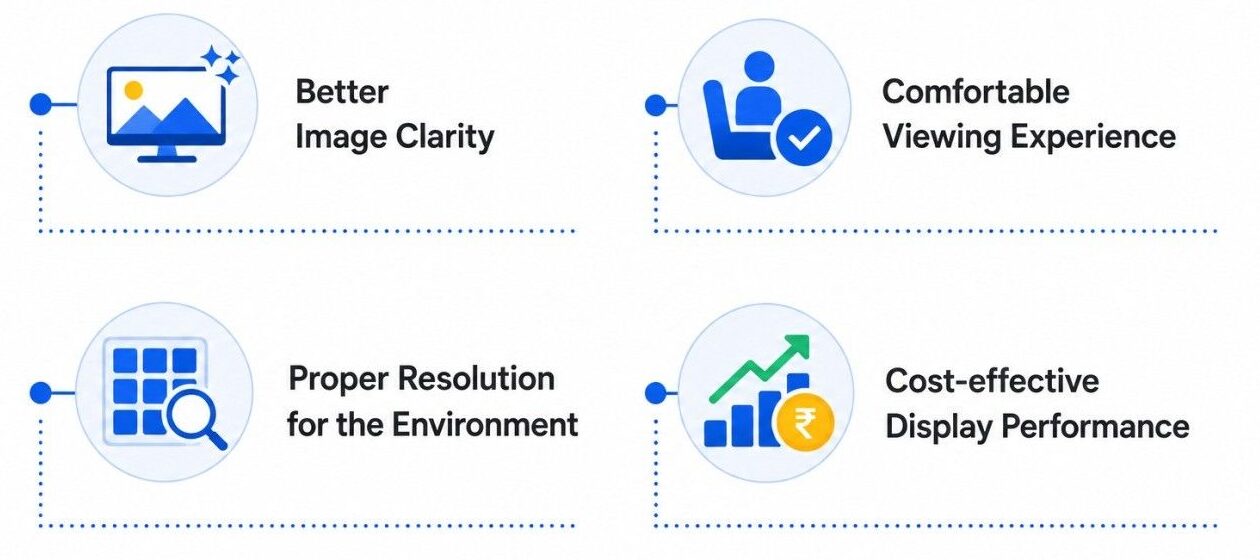
Understanding Viewing Distance
One of the simplest ways to understand pixel pitch is through viewing distance.
As a general rule:
- Smaller pixel pitch = closer viewing distance
- Larger pixel pitch = farther viewing distance
For example, a P1.2 LED display is designed for close-range viewing inside corporate meeting rooms or control centers. Meanwhile, a P10 outdoor billboard is meant to be viewed from highways or large open spaces.
If viewers are standing very close to the screen, higher pixel density becomes essential for maintaining image quality.
Best Pixel Pitch for Indoor LED Video Walls
Indoor environments generally require smaller pixel pitches because viewers are positioned much closer to the display compared to outdoor settings. Selecting the right pixel pitch for indoor LED video walls is essential to achieve sharp visuals, better readability, and a comfortable viewing experience.
Corporate Offices and Boardrooms
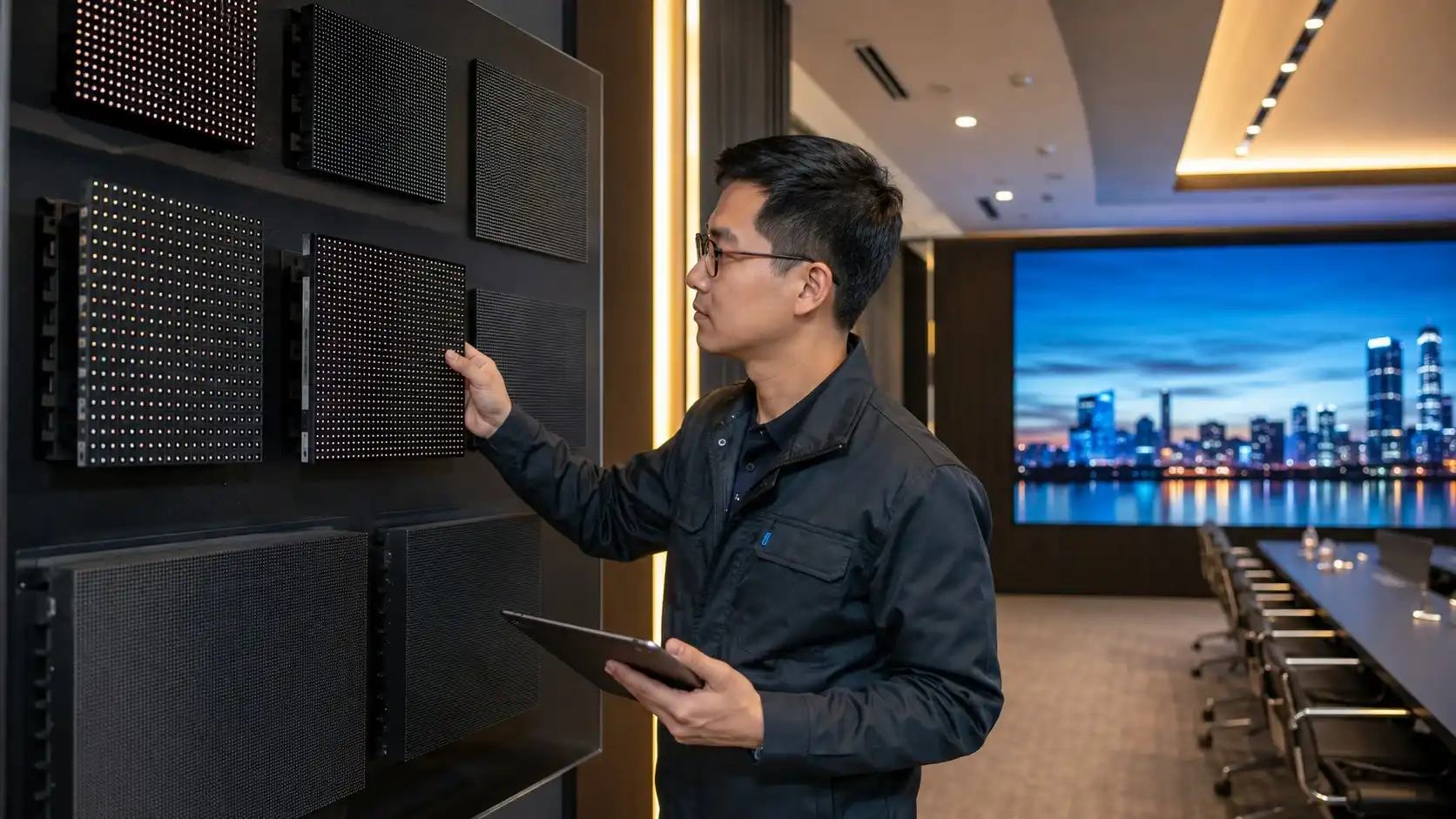
Corporate offices and boardrooms typically require fine-pitch LED displays such as P1.2, P1.5, and P1.8. These pixel pitches are ideal for close-range viewing environments where clarity and detail are extremely important. High-resolution LED video walls in meeting rooms and conference spaces improve the visibility of presentations, dashboards, video conferencing content, and corporate communication materials. Since attendees often sit near the screen, smaller pixel pitch helps maintain professional image quality and enhances overall viewing comfort.
Retail Stores and Shopping Malls
Retail environments commonly use pixel pitches such as P2, P2.5, and P3 to create visually attractive displays while maintaining cost efficiency. These displays are usually viewed from moderate distances, making mid-range pixel pitch ideal for retail branding, promotional campaigns, product videos, and digital advertisements.
Control Rooms and Monitoring Centers
Control rooms and monitoring centers require extremely high image clarity because operators continuously monitor detailed visual data, text, and live feeds. These environments generally use fine-pitch LED displays such as P0.9, P1.2, and P1.5 to ensure accurate data visibility and seamless visual performance.
Best Pixel Pitch for Outdoor LED Video Walls
Outdoor LED video walls operate differently from indoor displays because they are generally viewed from much greater distances. In outdoor environments, selecting the correct pixel pitch is important for maintaining visibility, readability, and cost efficiency without overinvesting in unnecessary resolution.
Highway LED Billboards
Highway LED billboards commonly use larger pixel pitches such as P6, P8, and P10 because these displays are viewed from long distances by drivers and passing audiences. Ultra-fine pixel density is not required in such environments, as viewers are typically far away from the screen.
Outdoor Commercial Advertising
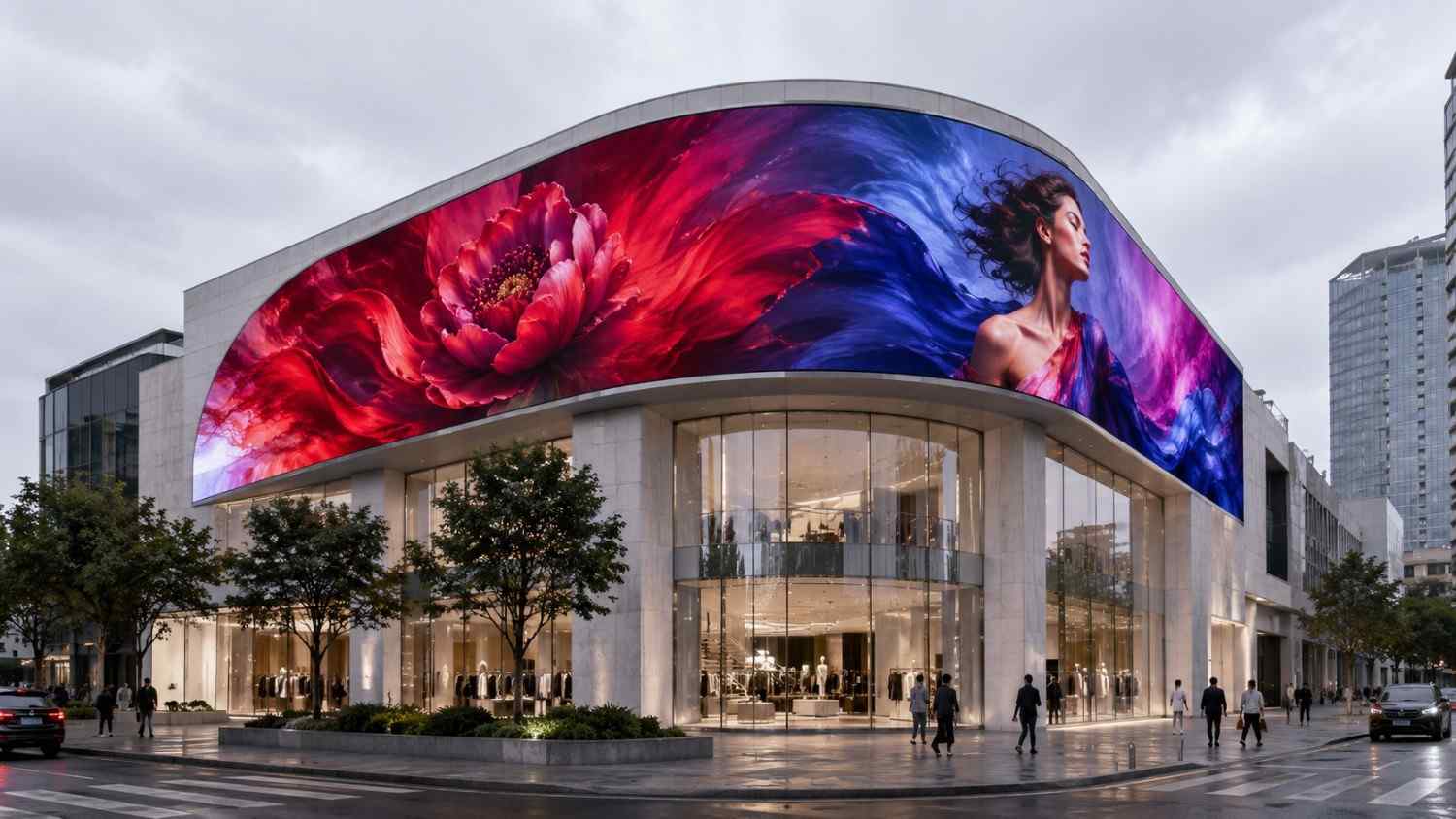
Outdoor commercial advertising displays installed in urban areas generally use pixel pitches like P4, P5, and P6 to maintain a balance between image quality and viewing distance. Unlike highway billboards, urban advertising screens are often viewed from comparatively shorter distances in locations such as shopping districts, commercial complexes, transit hubs, and public areas.
Smaller Pixel Pitch vs Larger Pixel Pitch
Smaller pixel pitch displays offer:
- Higher resolution
- Sharper visuals
- Better close-viewing performance
- Premium display quality
However, they also:
- Cost more
- Consume more power
- Require advanced manufacturing precision
Larger pixel pitch displays provide:
- Lower installation cost
- Better long-distance visibility
- Improved affordability for large outdoor screens
The right choice depends on the environment and audience distance.
How Pixel Pitch Affects Cost?
Pixel pitch significantly influences LED video wall pricing.
Displays with smaller pixel pitch contain more LEDs packed into the same area, increasing production complexity and cost.
For example:
- A P1.2 indoor display costs substantially more than a P4 display of the same size
- Outdoor P10 displays are generally more affordable for large installations
Businesses should avoid over-investing in ultra-fine pixel pitch if viewers will never stand close enough to notice the difference.
Common Mistakes When Choosing Pixel Pitch
One of the most common mistakes businesses make when selecting an LED display is assuming that the smallest available pixel pitch automatically delivers the best performance. While smaller pixel pitch provides higher resolution and sharper visuals, it can also increase installation costs, consume more power, and offer very little visible improvement when the screen is viewed from long distances.
Another frequent mistake is choosing a larger pixel pitch for environments where viewers are positioned close to the display. This often results in blurry visuals, visible pixel gaps, and reduced image quality. Understanding the viewing environment, audience distance, and application requirements is essential before selecting the right pixel pitch for an LED video wall.
Conclusion
Pixel pitch is one of the most important factors in determining LED video wall performance. It affects image clarity, viewing comfort, installation cost, and overall display effectiveness.
Smaller pixel pitch works best for close-viewing indoor environments such as corporate offices, control rooms, and retail stores. Larger pixel pitch is ideal for outdoor advertising and long-distance viewing applications.
Choosing the correct pixel pitch ensures better visual quality while avoiding unnecessary costs. By understanding viewing distance and display purpose, businesses can invest in LED video walls that deliver maximum impact and long-term value.