
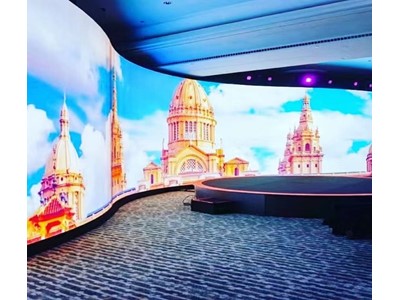
Selecting the perfect LED screen for your specific requirements can be a daunting task, considering the numerous options available in the market. In this blog post, we will guide you through the essential factors to consider when choosing an LED screen to ensure it meets your needs.
1. Purpose and Application
The first step in choosing the right LED screen is to determine its purpose and application. Consider whether you need it for
Home Entertainment – If you want a screen for personal use, you may be looking for a television or a home theater display.
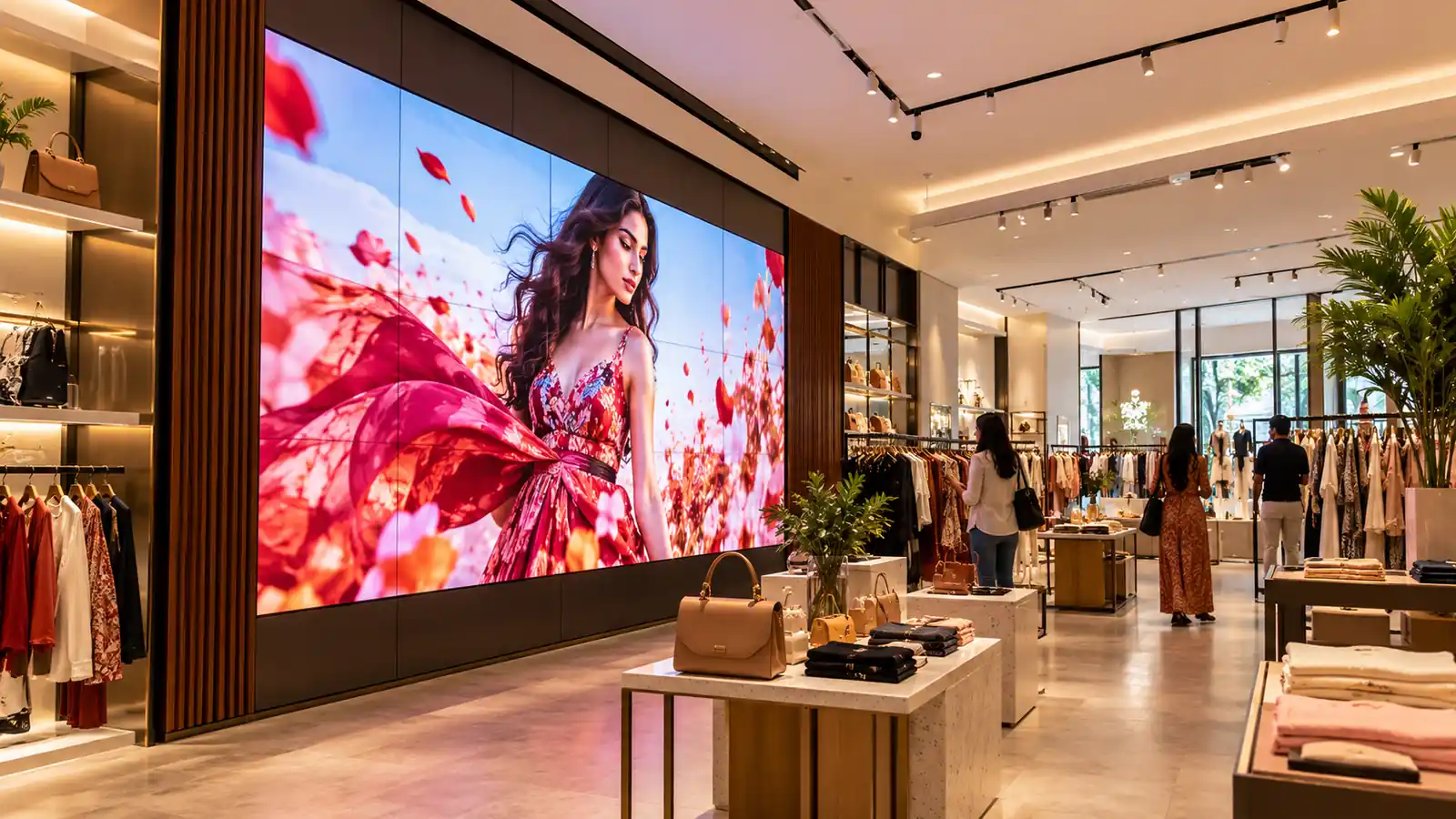
Commercial Use– LED screens are widely used in businesses for digital signage, presentations, and advertising.
Outdoor Displays– For outdoor advertising or events, you need a screen designed to withstand environmental factors.
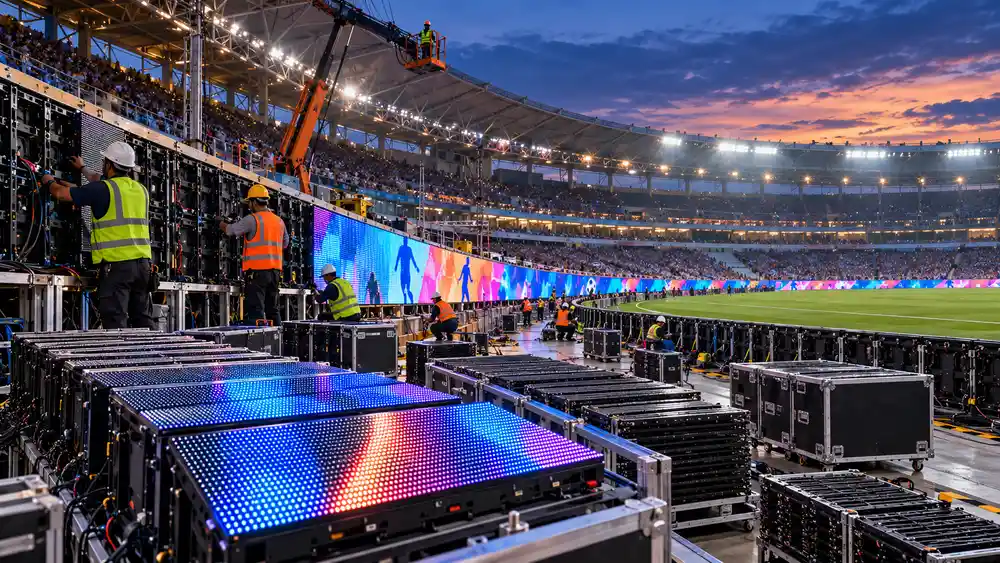
Large Venues– In sports arenas, concerts, or conference centers, you may require a large LED video wall.
Identifying the primary use will help you narrow down your options.
2. Size and Resolution
The size and resolution of the LED screen are crucial considerations. Determine the viewing distance and space available. For home use, calculate the ideal screen size based on your seating distance. Higher resolution screens are suitable for closer viewing, such as in a home theater, while lower resolutions may work for digital signage or outdoor displays.
3. Display Technology
There are different types of LED display technologies to choose from:
Direct-View LED– These screens offer exceptional brightness and color accuracy. They are suitable for home theaters and large venues.
OLED– OLED displays are known for their deep blacks and vibrant colors, making them a good choice for home entertainment.
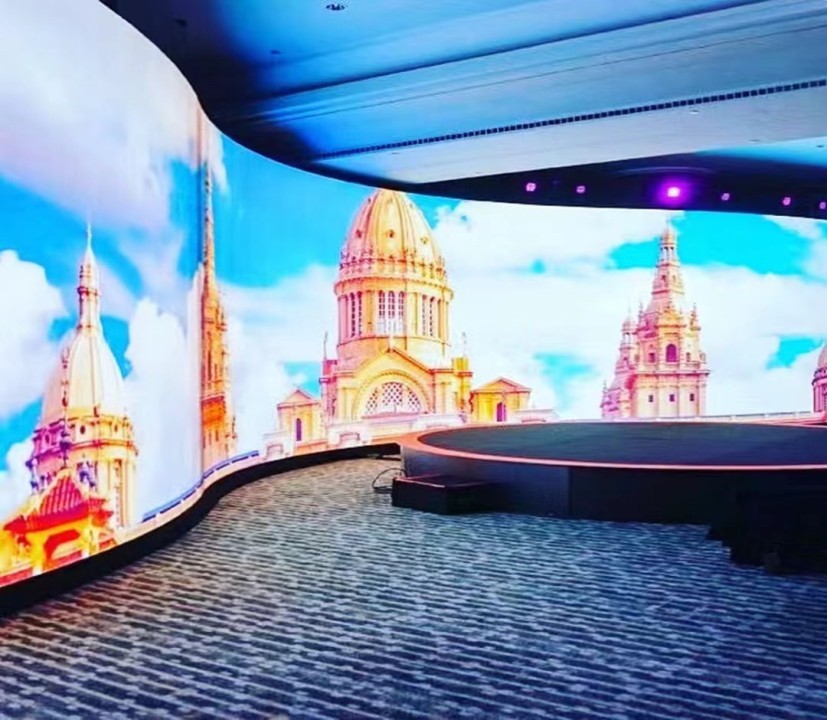
LED Video Walls– For larger spaces and commercial use, LED video walls offer versatility and scalability.
4. Budget
Your budget plays a significant role in the selection process. LED screens come in a wide price range, so it’s essential to define your budget early on and explore options that fit within it.
5. Energy Efficiency
Consider the energy efficiency of the LED screen, especially if you plan to use it for extended periods. Look for energy-saving features and technologies to reduce power consumption.
6. Connectivity and Compatibility
Check the screen’s connectivity options. Ensure it has the necessary ports and compatibility with your devices, such as gaming consoles, media players, or computers.
7. Installation and Placement
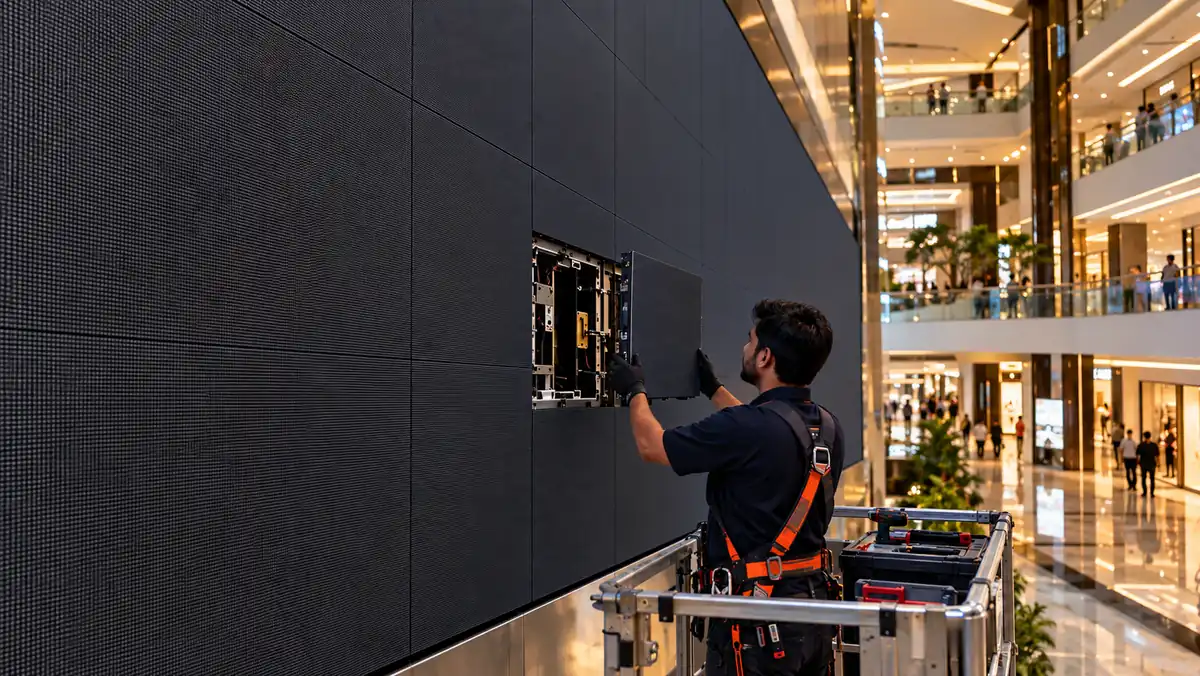
Think about where and how you will install the LED screen. Will it be wall-mounted, placed on a stand, or integrated into an existing structure? The installation process can affect your choice of screen.
8. Longevity and Maintenance
LED screens are an investment, so consider their durability and ease of maintenance. Some screens may require more maintenance than others, and you should be prepared for this.
9. Brand and Warranty
Research reputable brands known for quality and reliability. Check the warranty offered with the screen to ensure you have adequate protection in case of defects or issues.
10. Reviews and Recommendations
Before making your final decision, get advice from expert in this field. Vision Display pvt ltd is an expert and one of the leading manufacturer of LED Screen displays.
In conclusion, choosing the right LED screen involves considering your purpose, size, resolution, technology, budget, energy efficiency, connectivity, installation, longevity, brand reputation, and recommendations. By carefully evaluating these factors, you can make an informed decision and find the perfect LED screen that meets your needs.