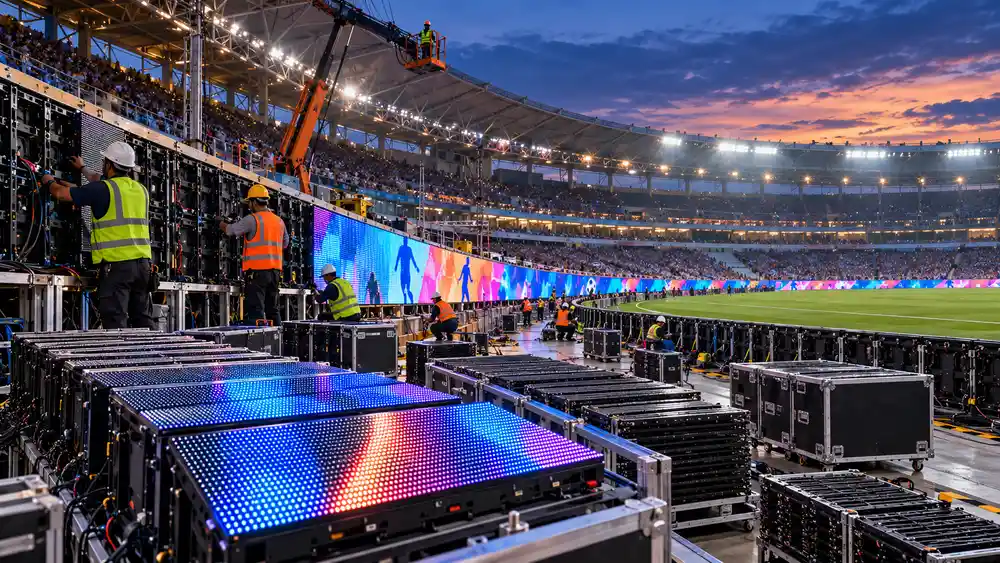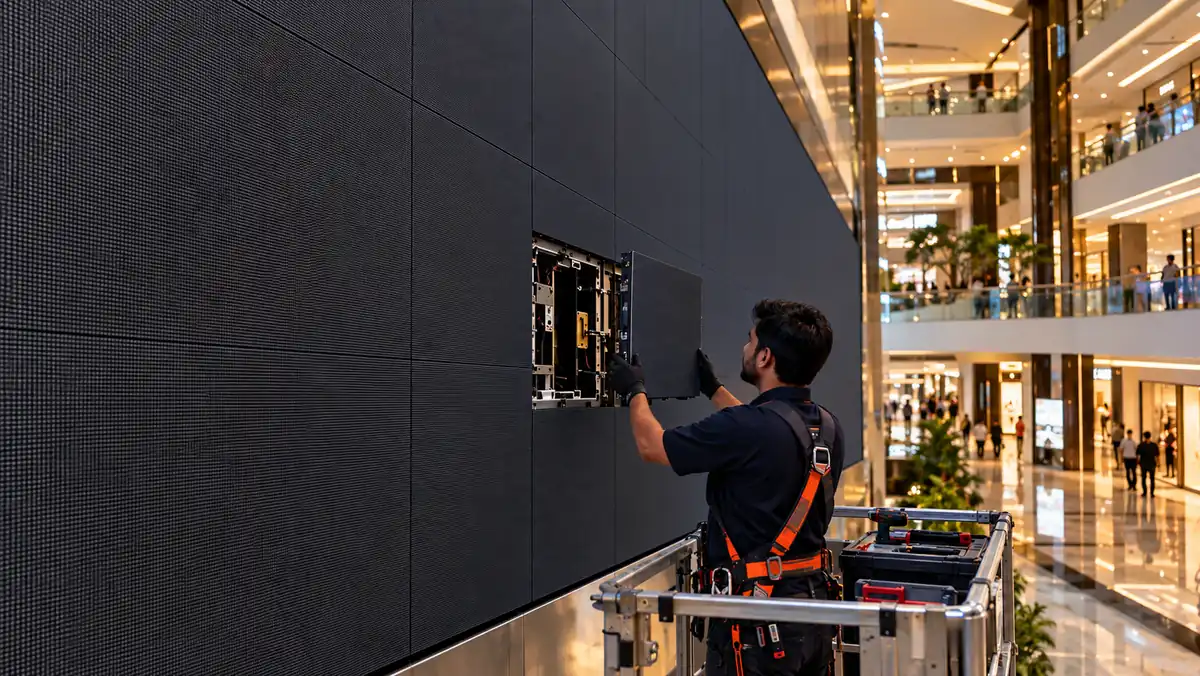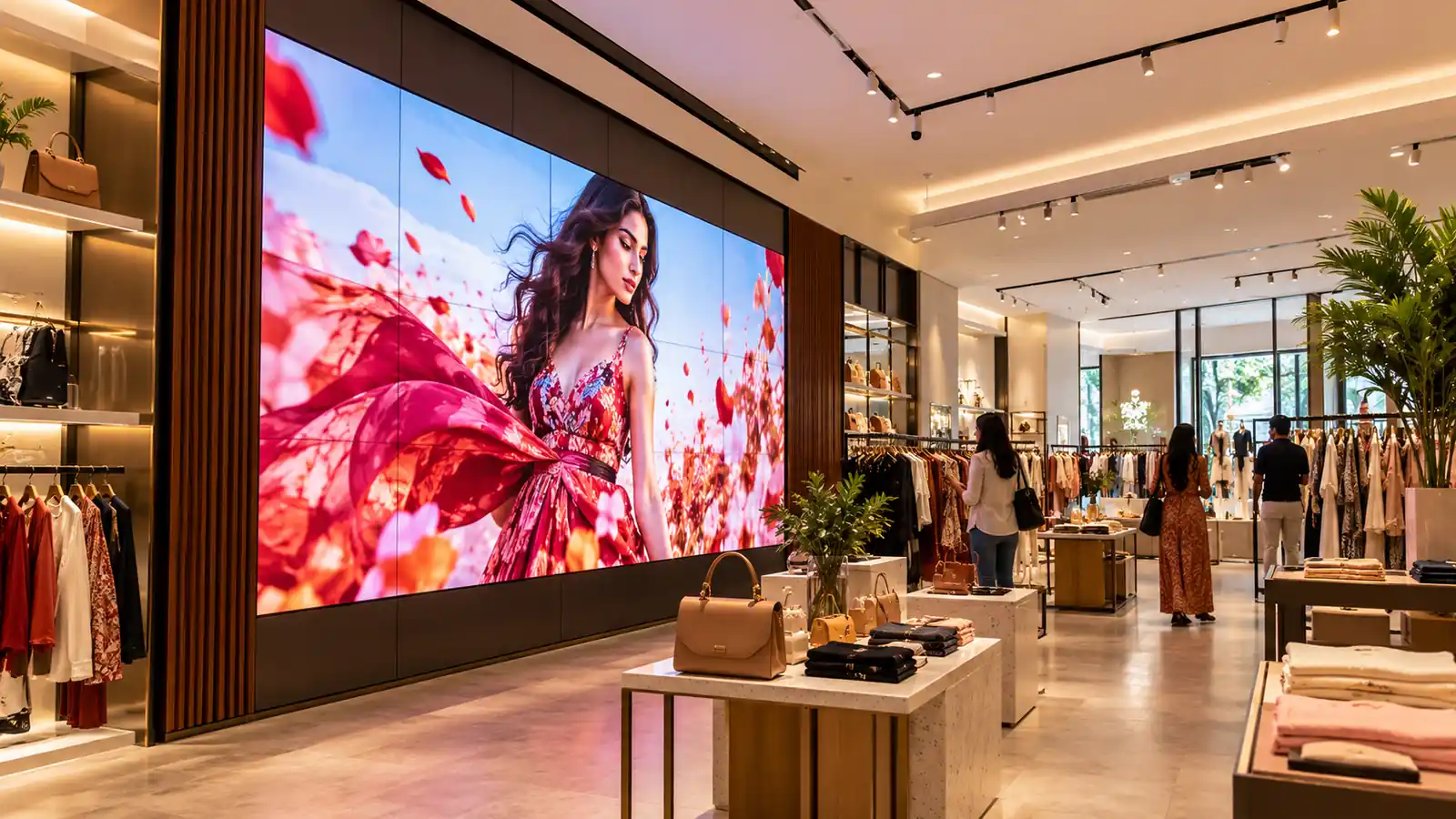

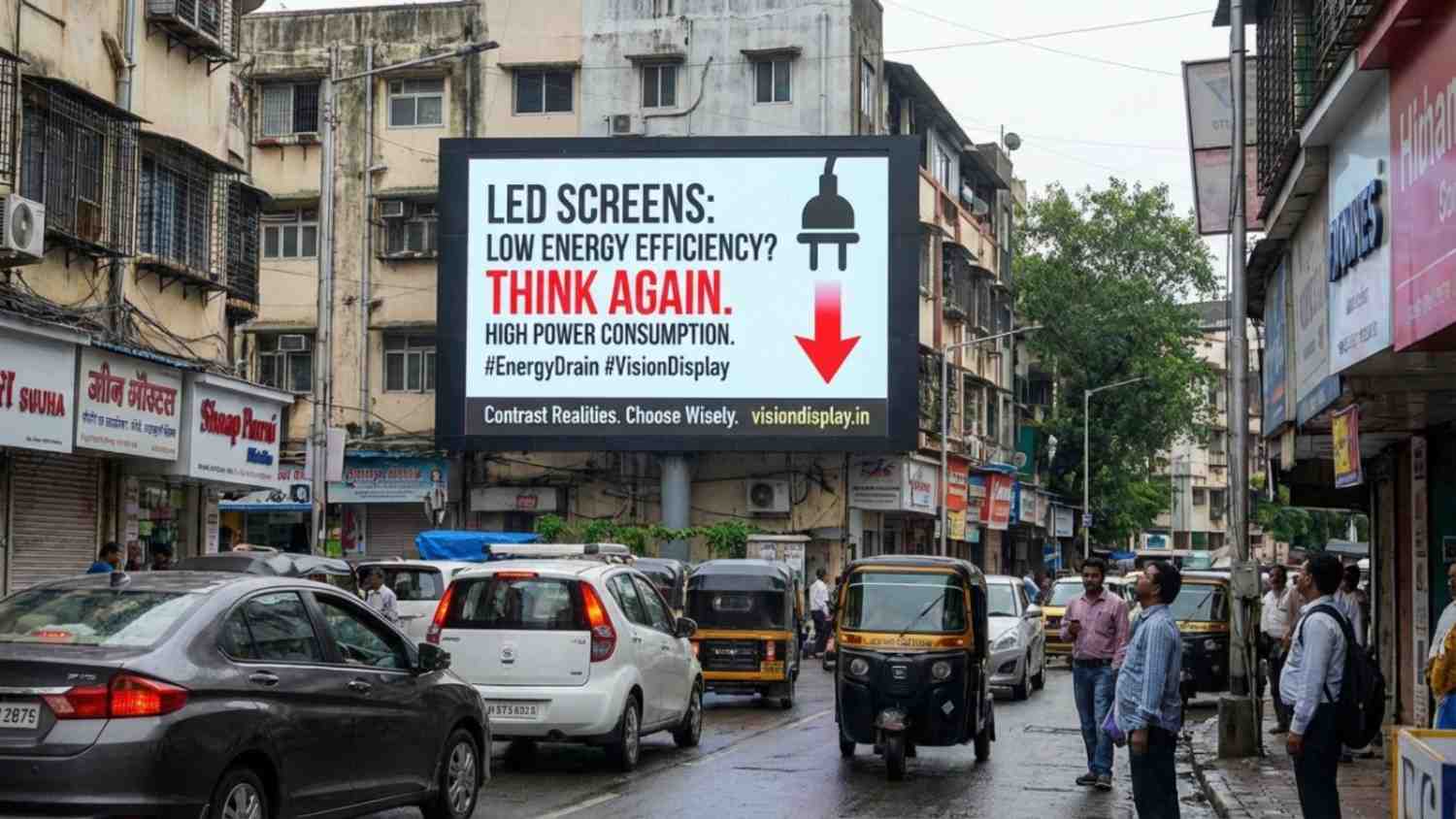
As businesses increasingly adopt digital displays for advertising, communication, and branding, energy consumption has become a key consideration. LED screens have emerged as the preferred solution not only for their visual performance but also for their impressive energy efficiency.
Compared to traditional display technologies, LED screens consume significantly less power while delivering brighter, sharper visuals. This combination makes them a smart investment for companies looking to reduce operational costs and improve sustainability.
In this blog, we break down how LED screens save energy and how those savings translate into real financial benefits.
What Makes LED Screens Energy Efficient?
LED (Light Emitting Diode) technology is inherently more efficient than older display systems such as LCDs with backlighting or traditional billboards.
Instead of relying on large, power-hungry light sources, LED screens use small diodes that emit light directly. This allows them to:
- Consume less electricity
- Generate less heat
- Deliver higher brightness with lower power usage
The result is a display system that performs better while using fewer resources.
Lower Power Consumption Compared to Traditional Displays
One of the biggest advantages of LED screens is reduced power consumption. Traditional advertising methods like printed billboards require lighting systems that consume additional electricity, especially at night.
In contrast, LED displays are designed to optimize power usage based on content and brightness levels.
For example:
- Darker visuals consume less energy
- Automatic brightness adjustment reduces unnecessary power usage
- Advanced power management systems improve efficiency
Over time, these savings can significantly lower electricity bills.
Smart Brightness Control for Optimized Energy Use
Modern LED screens come equipped with ambient light sensors that automatically adjust brightness depending on surrounding lighting conditions.
During the day, screens increase brightness to remain visible in sunlight. At night, they reduce brightness to conserve energy without compromising visibility.
This intelligent adjustment ensures:
- Minimal energy wastage
- Consistent display quality
- Longer screen lifespan
It also reduces unnecessary strain on the system, lowering maintenance costs.
Reduced Heat Generation and Cooling Costs
Traditional display systems often generate significant heat, requiring additional cooling mechanisms such as fans or air conditioning.
LED screens, on the other hand, produce much less heat. This leads to:
- Lower cooling requirements
- Reduced energy consumption from HVAC systems
- Improved safety and durability
For indoor installations like malls, offices, and retail stores, this can result in noticeable cost savings.
Longer Lifespan Means Lower Replacement Costs
Energy efficiency is not just about electricity consumption. It also includes how long a system lasts before needing replacement.
LED screens typically have a lifespan of 50,000 to 100,000 hours, depending on usage and quality. This means:
- Fewer replacements
- Lower maintenance expenses
- Better return on investment
A longer lifespan reduces the total cost of ownership, making LED displays a cost-effective solution in the long run.
Elimination of Printing and Installation Costs
Unlike traditional billboards that require printing, transportation, and installation of physical materials, LED screens eliminate these recurring expenses.
Businesses can update content digitally without any physical intervention. This leads to:
- Zero printing costs
- Faster campaign execution
- Reduced labor expenses
These indirect savings further improve overall cost efficiency..
Energy Savings in Large-Scale Installations
For businesses operating multiple screens across locations, energy savings multiply significantly.
Consider:
- Retail chains with digital signage
- Airports and transit hubs
- Corporate offices with display networks
Even a small reduction in power consumption per screen can result in substantial savings when scaled across multiple units.
Environmental Benefits That Translate to Cost Savings
Energy-efficient systems are not only good for business but also for the environment.
Lower power consumption means:
- Reduced carbon footprint
- Compliance with sustainability goals
- Potential tax benefits or incentives in some regions
Companies that adopt energy-efficient technologies also enhance their brand image, which can indirectly drive revenue..
Comparing Energy Costs: LED vs Traditional Displays
| Factor | Traditional Displays | LED Screens |
| Power Consumption | High | Low |
| Heat Generation | High | Low |
| Maintenance | Frequent | Minimal |
| Lifespan | Shorter | Longer |
| Operational Cost | High | Cost-efficient |
This comparison highlights why LED screens are a smarter financial choice.
How to Maximize Energy Efficiency with LED Screens
To fully benefit from energy savings, businesses should:
- Choose high-quality LED displays with efficient drivers
- Use automatic brightness control features
- Optimize content (avoid overly bright visuals when not needed)
- Schedule screen usage strategically
- Perform regular maintenance
These practices ensure maximum efficiency and cost savings.
Real-World Impact: Cost Savings Over Time
While the upfront cost of LED screens may seem higher, the long-term savings make up for the initial investment.
Businesses typically experience:
- Reduced electricity bills
- Lower maintenance costs
- Increased operational efficiency
Over time, these savings lead to a strong return on investment, making LED screens a financially sound decision.
Conclusion
Energy efficiency is one of the biggest advantages of LED screens, making them an ideal choice for modern businesses. By consuming less power, generating less heat, and lasting longer, LED displays significantly reduce operational costs.
In addition to direct savings, they offer flexibility, better performance, and environmental benefits. As businesses continue to prioritize cost efficiency and sustainability, LED screens are becoming an essential part of future-ready advertising and communication strategies.
Investing in energy-efficient LED displays is not just about cutting costs, it is about building a smarter, more sustainable business.