
Indoor advertising has evolved significantly over the past decade. Traditional posters, banners, and standees are gradually being replaced by dynamic LED displays that capture attention more effectively and create memorable customer experiences. Whether in shopping malls, retail stores, airports, hotels, restaurants, or corporate offices, LED displays have become one of the most impactful tools for indoor advertising.
Unlike static signage, LED displays can showcase videos, animations, real-time promotions, and interactive content, allowing businesses to communicate with their audience in a more engaging way. They also offer the flexibility to update content instantly without the recurring costs of printing and replacing traditional advertisements.
In this blog, we explore some of the most effective indoor advertising ideas using LED displays and how businesses can maximize their impact.
Promote Limited-Time Offers
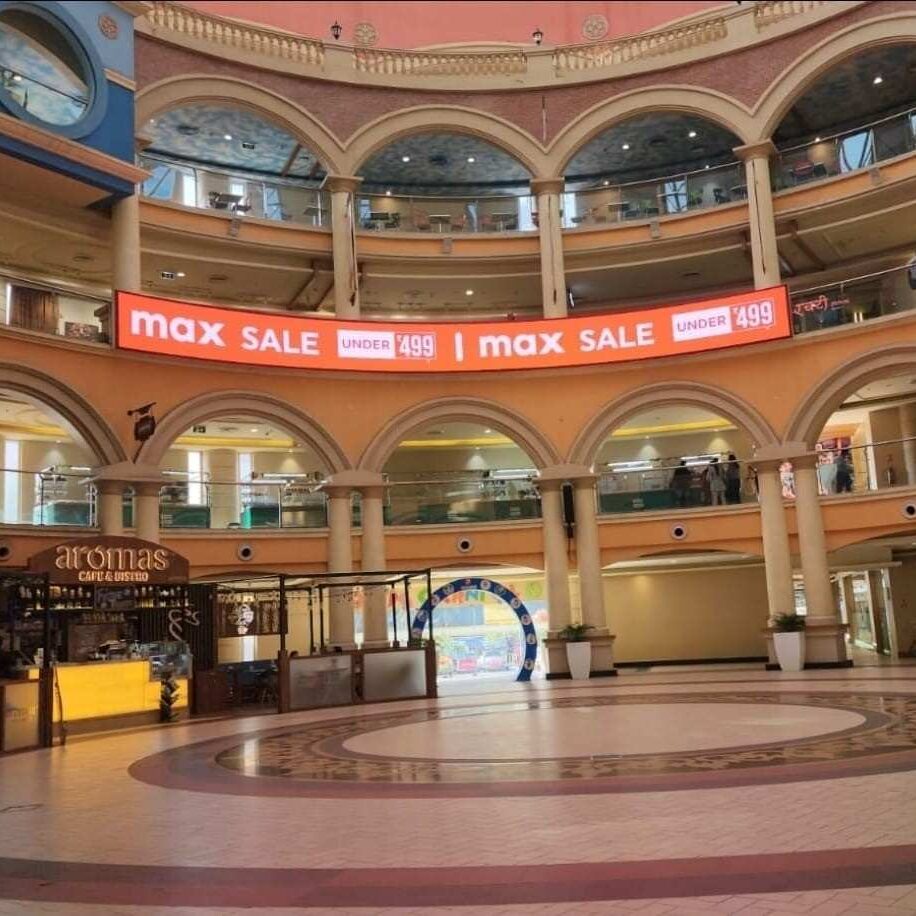
One of the most effective uses of indoor LED displays is promoting limited-time offers and seasonal discounts. Bright visuals and animated content naturally attract attention, making it easier to highlight flash sales, festive promotions, or exclusive deals.
Retail stores, supermarkets, and shopping malls can instantly update promotional content throughout the day based on customer traffic or inventory levels. Unlike printed posters, digital promotions can be changed within seconds, ensuring that customers always see the latest offers.
Showcase New Product Launches
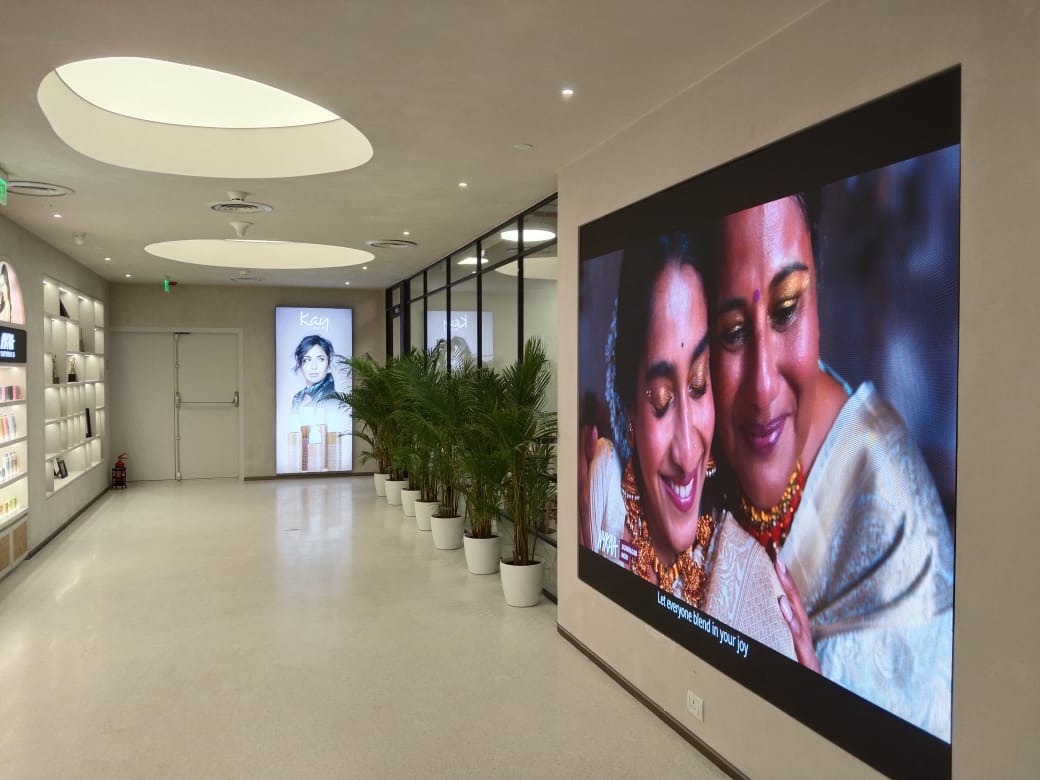
Launching a new product requires maximum visibility, and LED displays provide the perfect platform to create excitement.
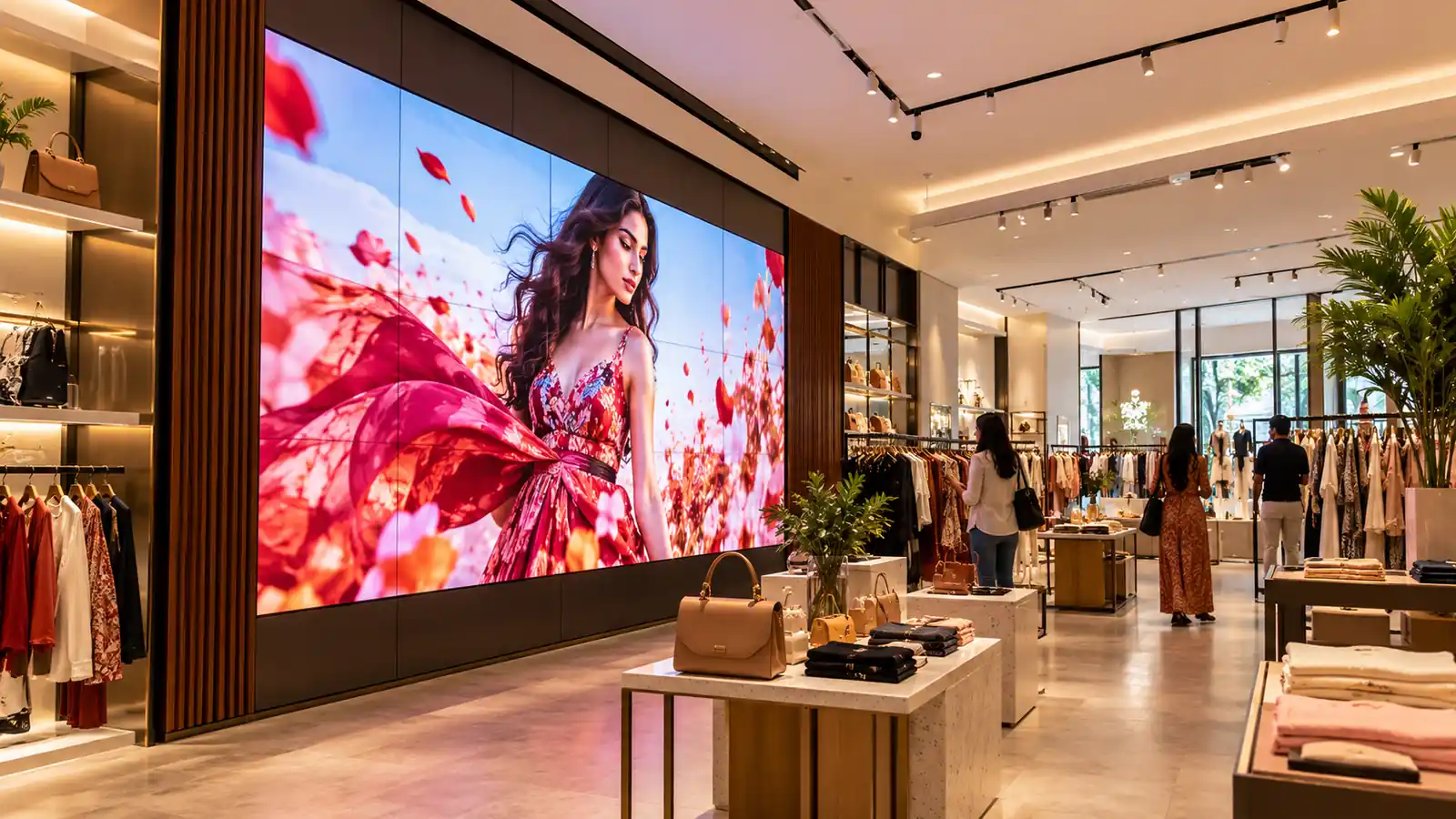
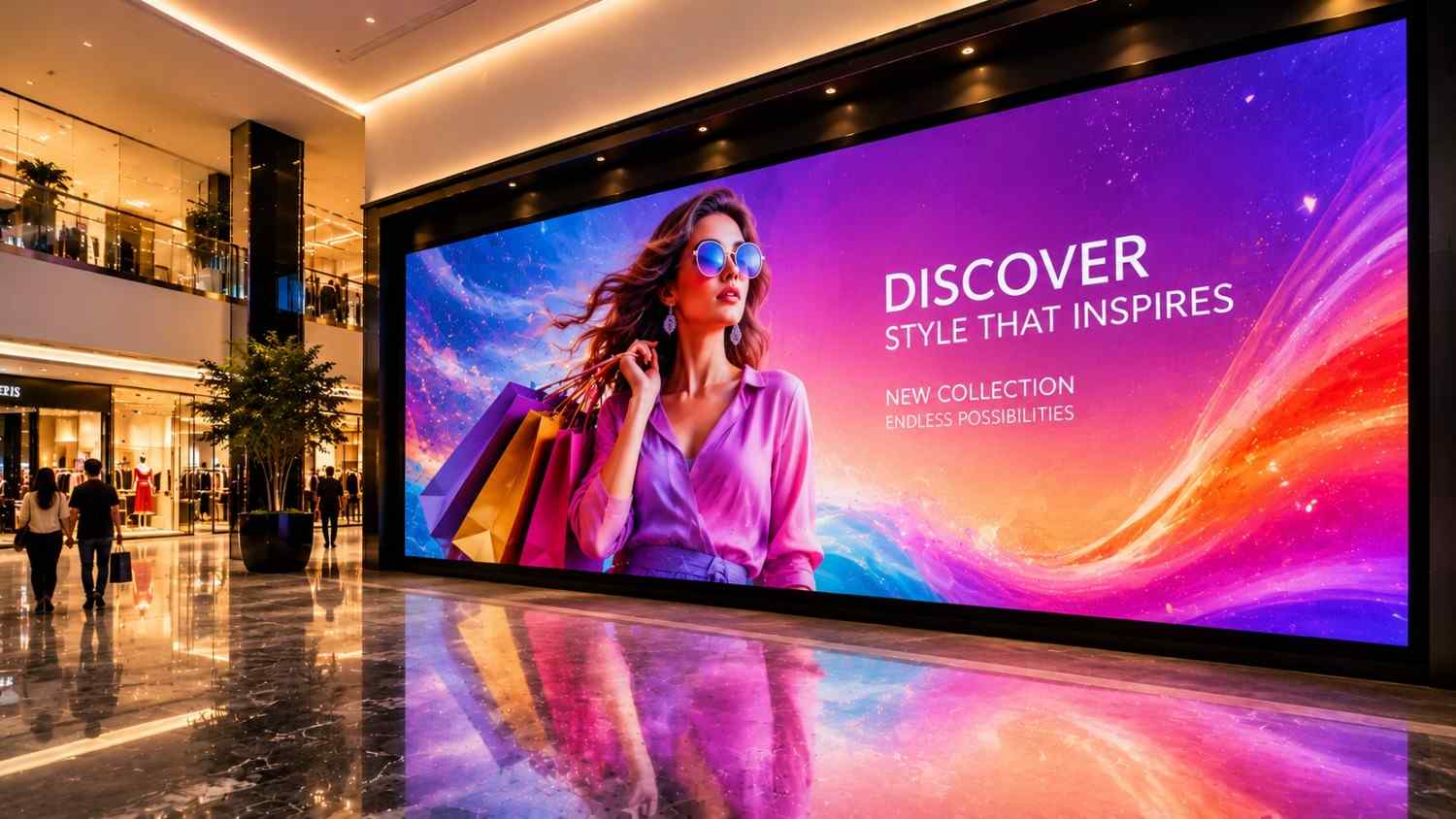
Businesses can use high-resolution videos, product demonstrations, and eye-catching animations to introduce new collections or services. Whether it’s a fashion retailer unveiling a new collection or an electronics store promoting the latest gadget, LED displays help create a premium and immersive product launch experience.
Dynamic product showcases also encourage customers to explore products they may have otherwise overlooked.
Create Interactive Product Catalogs
Interactive LED displays allow customers to browse products without assistance from sales staff. Touch-enabled digital screens can display product categories, specifications, pricing, and availability, creating a self-service shopping experience.
This approach is particularly useful in furniture stores, automobile showrooms, electronics outlets, and home décor retailers where customers often compare multiple products before making a purchase.
Interactive catalogs not only improve customer convenience but also reduce waiting times and enhance overall engagement.
Promote Cross-Selling and Upselling Opportunities
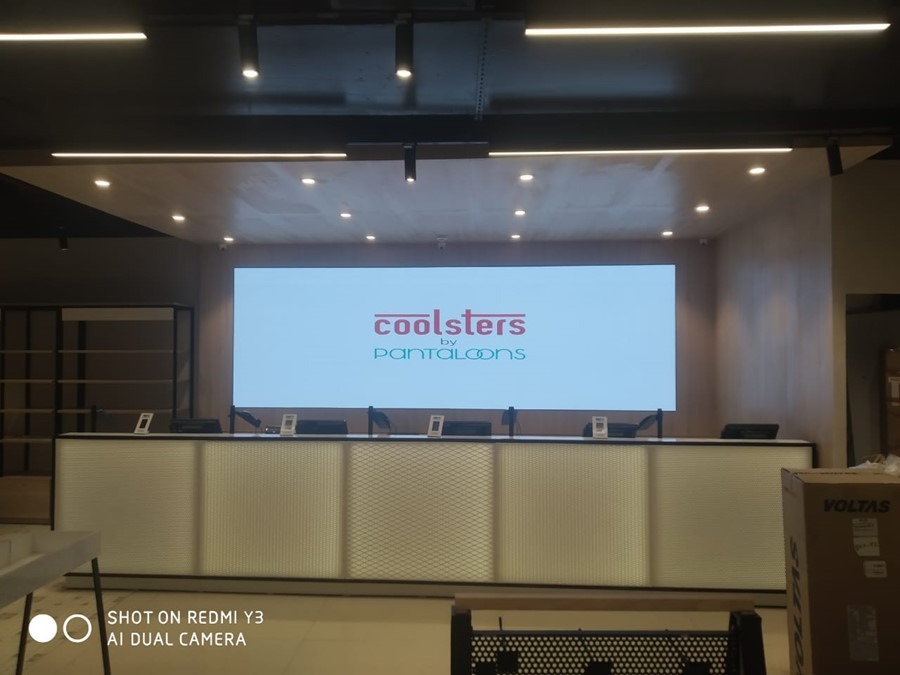
LED displays positioned near checkout counters or product displays can effectively promote complementary products and services.
For example, a customer purchasing a smartphone can be shown advertisements for compatible accessories such as cases, chargers, or wireless earbuds. Similarly, restaurants can promote desserts or beverages while customers wait for their orders.
This strategy increases average order value while providing customers with relevant product recommendations.
Enhance Store Window Displays
Window displays play a crucial role in attracting foot traffic, and LED screens make them even more effective.
Instead of static posters, businesses can install indoor LED displays facing storefront windows to showcase promotional videos, product highlights, and brand stories. The movement and vibrant visuals naturally draw attention from passersby, increasing the likelihood of customers entering the store.
This approach is especially beneficial for fashion boutiques, jewelry stores, electronics retailers, and luxury brands looking to make a strong first impression.
Display Customer Testimonials and Success Stories
Building trust is essential for influencing purchase decisions. Indoor LED displays provide an excellent platform for showcasing customer testimonials, reviews, and success stories.
Businesses can display real customer experiences through short videos, star ratings, or testimonial slides, helping visitors gain confidence in the brand. Healthcare clinics, educational institutions, fitness centers, and service-based businesses can particularly benefit from this strategy.
Authentic customer feedback displayed in a visually appealing format helps establish credibility and encourages potential customers to take action.
Improve Navigation with Digital Wayfinding
Large indoor spaces such as shopping malls, hospitals, airports, exhibition centers, and corporate campuses often use LED displays as digital wayfinding systems.
Interactive maps and directional signage help visitors locate stores, departments, meeting rooms, or facilities quickly and efficiently. This not only improves the visitor experience but also reduces confusion and dependence on staff for assistance.
Modern wayfinding displays can also integrate promotional content alongside navigation information, creating additional advertising opportunities.
Use LED Displays for Event Promotions
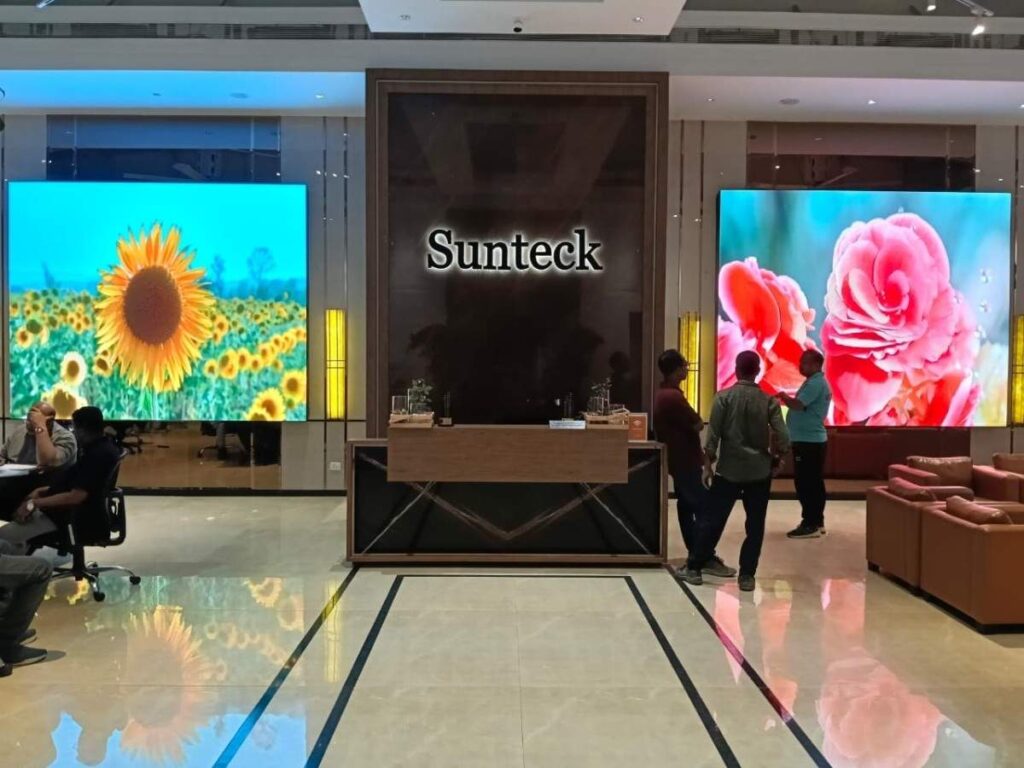
If your business regularly hosts events, workshops, seminars, or product demonstrations, LED displays can help increase participation.
Screens placed in reception areas, entrances, or waiting zones can display event schedules, countdowns, registration details, and promotional videos. Since content can be updated instantly, businesses can easily promote upcoming events without reprinting marketing materials.
This approach works particularly well in hotels, convention centers, educational institutions, and corporate offices.
Display Social Media Content
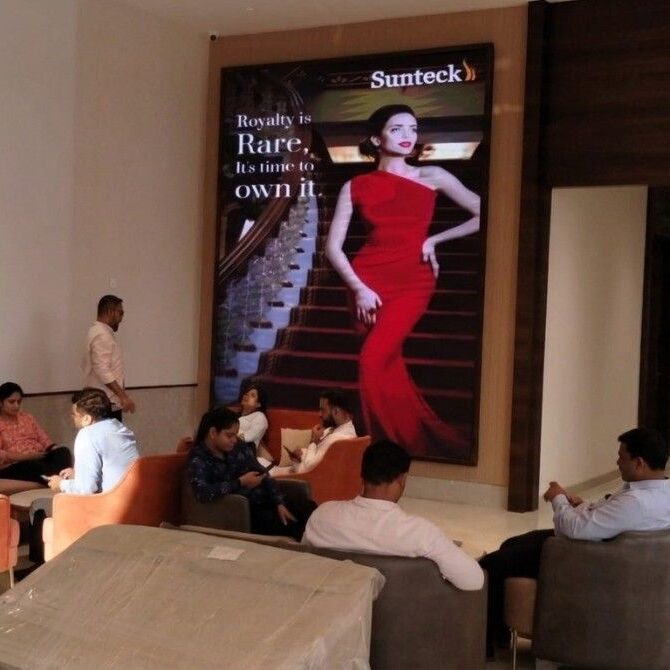
Integrating social media feeds into LED displays creates a dynamic and interactive advertising experience.
Businesses can showcase:
• Customer posts
• User-generated content
• Instagram galleries
• Live event hashtags
• Product reviews
Strengthen Brand Storytelling
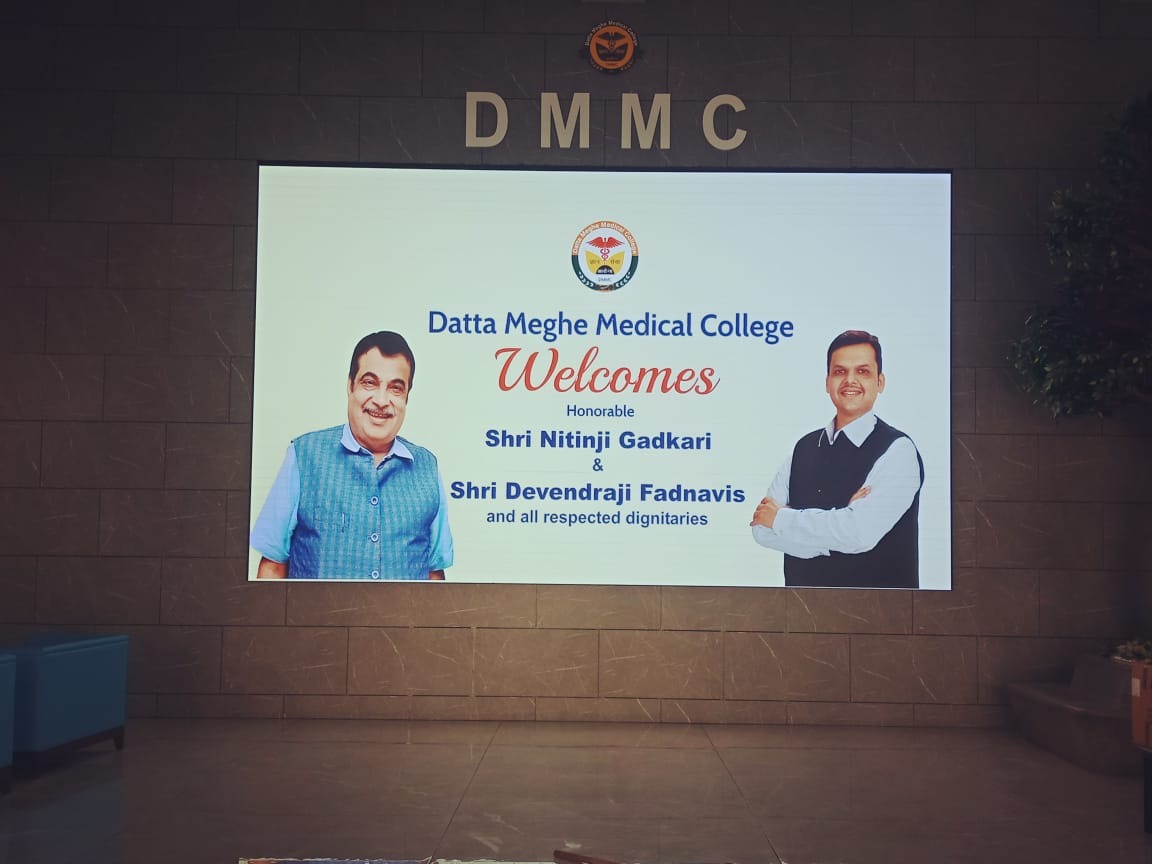
LED displays are powerful storytelling tools. Instead of simply promoting products, businesses can use digital displays to communicate their brand values, history, achievements, and mission.
Videos showcasing manufacturing processes, sustainability initiatives, behind-the-scenes footage, or customer success stories create a deeper emotional connection with audiences.
Effective storytelling helps businesses differentiate themselves from competitors and build long-term brand loyalty.
Keep Content Fresh and Relevant
One of the greatest advantages of LED displays is the ability to update content instantly.
Businesses can tailor advertising based on:
- Time of day
- Customer demographics
- Seasonal campaigns
- Special occasions
- Product availability
Keeping content fresh ensures customers remain engaged and encourages repeat visits. Dynamic advertising is far more effective than static displays that remain unchanged for weeks or months.
Best Places to Install Indoor LED Displays
Strategic placement significantly impacts the effectiveness of indoor advertising. High-traffic areas naturally attract more attention and increase content visibility.
Some of the best locations include:
- Store entrances
- Reception areas
- Shopping mall corridors
- Product display zones
- Checkout counters
- Waiting lounges
- Elevators and escalator areas
- Food courts
- Exhibition booths
- Conference halls
Choosing the right location ensures maximum audience exposure and better advertising results.
Conclusion
Indoor LED displays have transformed the way businesses communicate with customers by making advertising more dynamic, engaging, and flexible. Whether promoting special offers, launching new products, displaying customer testimonials, or improving navigation, LED displays offer countless opportunities to enhance the customer experience and strengthen brand visibility.
With instant content updates, vibrant visuals, and interactive capabilities, indoor LED advertising delivers far greater impact than traditional static signage. As businesses continue to invest in modern marketing technologies, LED displays are becoming an essential tool for creating memorable indoor advertising campaigns that drive engagement, increase sales, and build lasting customer relationships.