
Outdoor LED displays have become an essential part of modern advertising, public communication, and digital signage. From highway billboards and shopping malls to stadiums and transportation hubs, these displays operate continuously in environments exposed to rain, dust, humidity, heat, and changing weather conditions.
At the heart of every reliable outdoor LED display are waterproof LED modules. These specially designed modules protect sensitive electronic components from moisture and environmental damage, ensuring uninterrupted performance throughout the year.
Choosing the right waterproof LED modules not only improves display durability but also reduces maintenance costs and extends the overall lifespan of the LED screen. In this guide, we’ll explore their key features, benefits, and applications.
What Are Waterproof LED Modules?
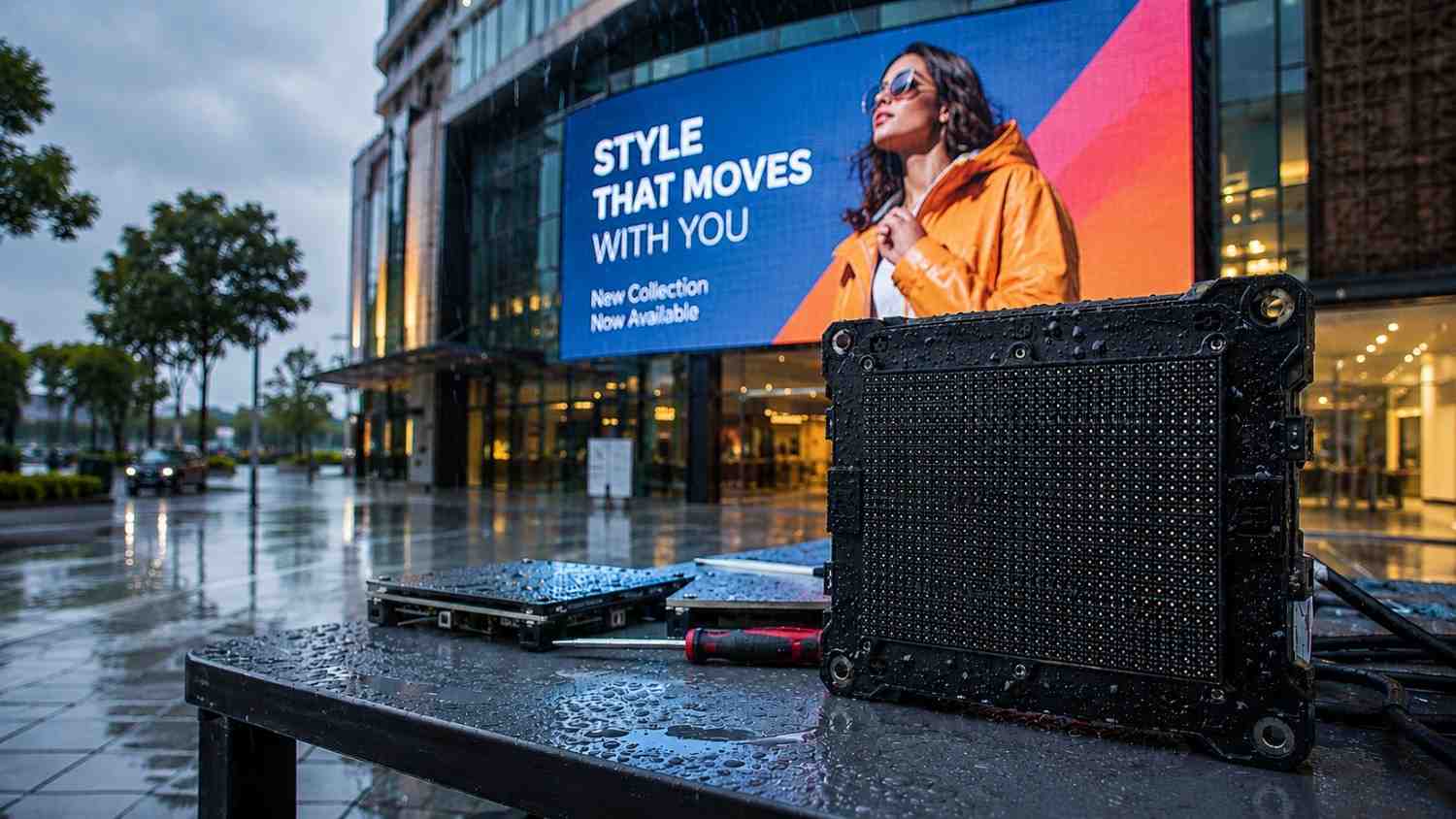
Waterproof LED modules are specially engineered display components designed for outdoor use. Unlike standard indoor modules, they feature sealed construction, weather-resistant materials, and protective coatings that prevent water, dust, and other environmental elements from entering the electronic circuitry.
Each module contains LED lamps, driver circuitry, and protective housing that work together to deliver bright, high-quality visuals while withstanding harsh outdoor conditions.
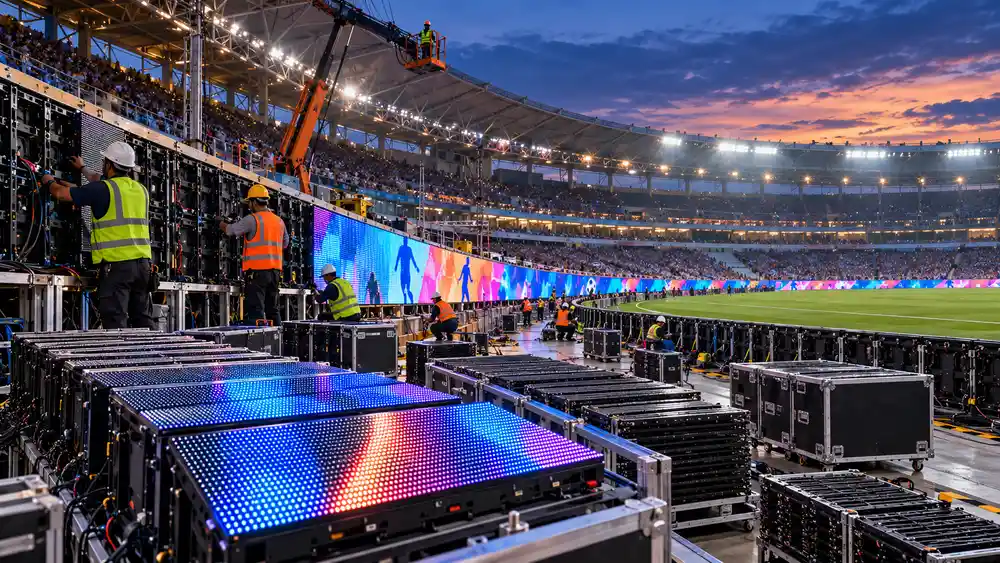
These modules are commonly used in digital billboards, sports stadiums, transportation systems, commercial advertising, and public information displays.
Why Waterproof Protection Is Important
Outdoor LED displays remain exposed to environmental conditions 24 hours a day. Rainwater, humidity, dust, pollution, and temperature fluctuations can easily damage electronic components if proper protection is not in place.
Water entering an LED module can cause short circuits, corrosion, brightness inconsistencies, and complete module failure. Dust accumulation can block ventilation, increase internal temperatures, and reduce display performance over time.
Waterproof LED modules are specifically designed to eliminate these risks, ensuring reliable operation in all weather conditions.
High IP Protection Ratings
One of the most important features of waterproof LED modules is their Ingress Protection (IP) rating.
An IP rating indicates how well a module is protected against dust and water.
Outdoor LED modules typically feature IP65 or IP66 ratings, which provide excellent protection against heavy rain, water jets, and dust particles.
Higher IP ratings ensure that the modules continue operating even during severe weather conditions, making them ideal for permanent outdoor installations.
Durable Weather-Resistant Construction
Waterproof LED modules are manufactured using robust materials that resist environmental wear and tear.
These modules are designed to withstand:
- Heavy rainfall
- High humidity
- Strong sunlight
- Dust and pollution
- Wind exposure
- Temperature fluctuations
Their durable construction helps maintain consistent performance while reducing the likelihood of environmental damage.
Sealed Cabinet Design
Waterproof LED modules are installed within sealed cabinets that prevent moisture and contaminants from reaching sensitive internal components.
Protective features include:
- Waterproof gaskets
- Silicone sealing
- Protective enclosures
- Moisture-resistant connectors
These sealing systems play a vital role in maintaining long-term reliability, especially in regions with heavy rainfall or coastal climates.
Excellent Brightness in Outdoor Conditions
Outdoor advertising requires displays that remain visible under direct sunlight.
Waterproof LED modules are designed with high-brightness LEDs that deliver excellent visibility throughout the day.
Most outdoor modules produce brightness levels between 5,000 and 10,000 nits, ensuring clear and vibrant content even in bright daylight.
Many modules also include automatic brightness adjustment to optimize visibility while reducing power consumption during nighttime operation.
Resistance to Temperature Changes
Outdoor environments often experience significant temperature variations between day and night.
Waterproof LED modules are built using components that can operate efficiently in both high and low temperatures.
Advanced thermal management systems help dissipate heat effectively, reducing stress on electronic components and extending module lifespan.
This makes them suitable for installations in both hot and cold climates.
Low Maintenance Requirements
One of the biggest advantages of waterproof LED modules is their reduced maintenance requirements.
Since the modules are protected against water, dust, and environmental contaminants, they experience fewer failures than unprotected systems.
Routine maintenance generally involves:
- Cleaning the display surface
- Inspecting cabinet seals
- Checking electrical connections
- Replacing damaged modules when necessary
Lower maintenance translates into reduced operating costs and minimal downtime.
Energy-Efficient Performance
Modern waterproof LED modules are designed to deliver high brightness while consuming less power.
Energy-efficient driver ICs and intelligent brightness control systems help reduce electricity usage without compromising image quality.
Lower power consumption provides several benefits, including:
- Reduced operating costs
- Lower heat generation
- Improved environmental sustainability
- Longer component lifespan
For businesses operating large outdoor displays, these energy savings can be substantial over time.
Easy Module Replacement
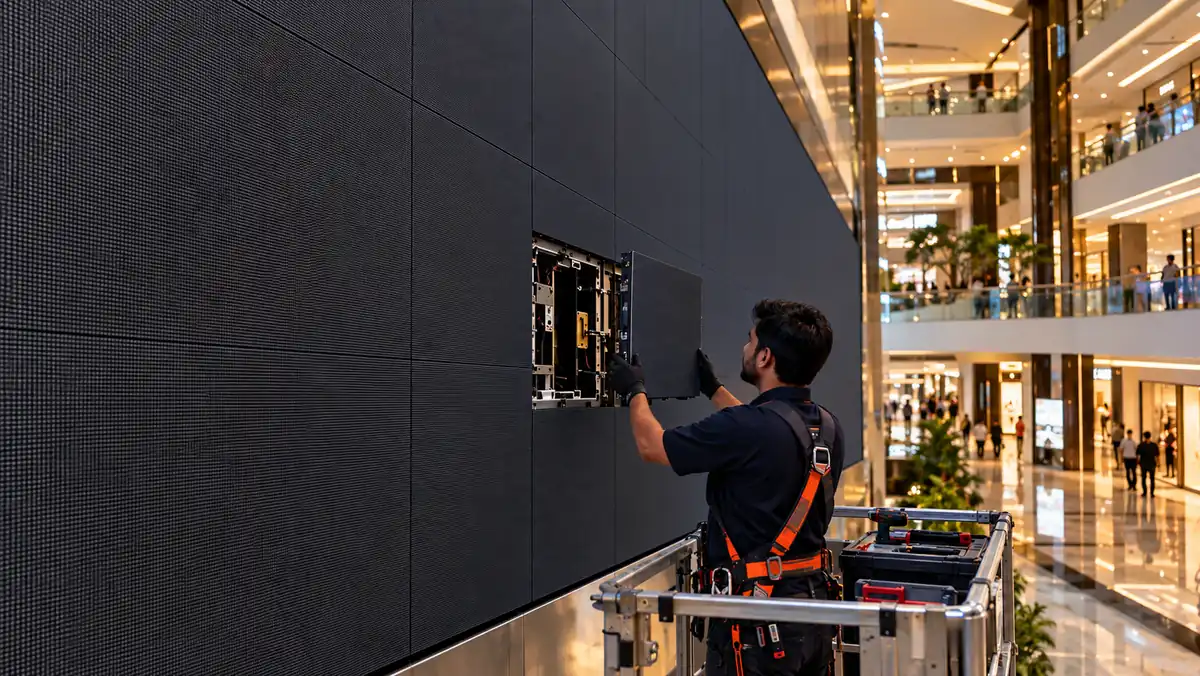
LED displays are modular by design, allowing individual waterproof modules to be replaced without changing the entire screen.
If one module becomes damaged, technicians can quickly replace the affected unit while the rest of the display continues functioning normally.
This modular approach reduces repair costs, minimizes downtime, and simplifies maintenance.
It also makes future upgrades more convenient as technology continues to evolve.
Applications of Waterproof LED Modules
Waterproof LED modules are widely used across numerous industries where reliable outdoor performance is essential.
Common applications include:
- Digital billboards
- Highway advertising
- Shopping mall exteriors
- Stadium scoreboards
- Transportation terminals
- Railway stations
- Airports
- Public information displays
- Smart city projects
- Outdoor event venues
Their ability to perform consistently under challenging environmental conditions makes them suitable for virtually any outdoor digital signage application.
Choosing the Right Waterproof LED Module
Selecting the right waterproof LED module depends on several factors, including the installation environment, viewing distance, brightness requirements, pixel pitch, and maintenance accessibility.
Businesses should also consider the module’s IP rating, energy efficiency, build quality, and compatibility with the overall LED display system.
Working with an experienced LED display manufacturer or supplier ensures that the chosen module meets both performance expectations and environmental requirements.
A professional assessment can help identify the most suitable solution for long-term reliability and cost efficiency.
Conclusion
Waterproof LED modules are the foundation of durable and reliable outdoor LED displays. Their weather-resistant construction, high IP protection, energy efficiency, and modular design allow businesses to operate digital signage confidently in challenging environmental conditions.
Whether used for highway billboards, stadium displays, transportation systems, or commercial advertising, waterproof LED modules provide exceptional performance while reducing maintenance and operating costs.
By investing in high-quality waterproof LED modules, businesses can maximize the lifespan of their LED displays, ensure uninterrupted operation, and achieve a stronger return on investment for years to come.